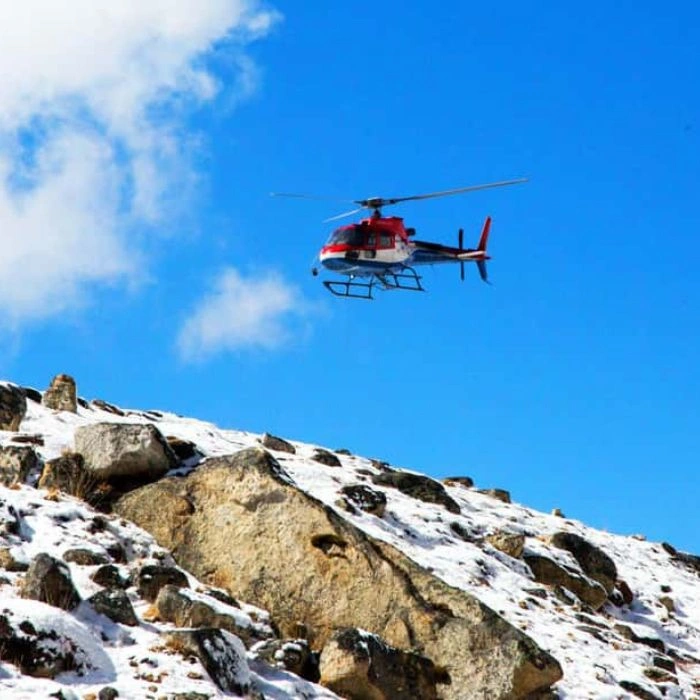


Everest Helicopter Tour – Overview
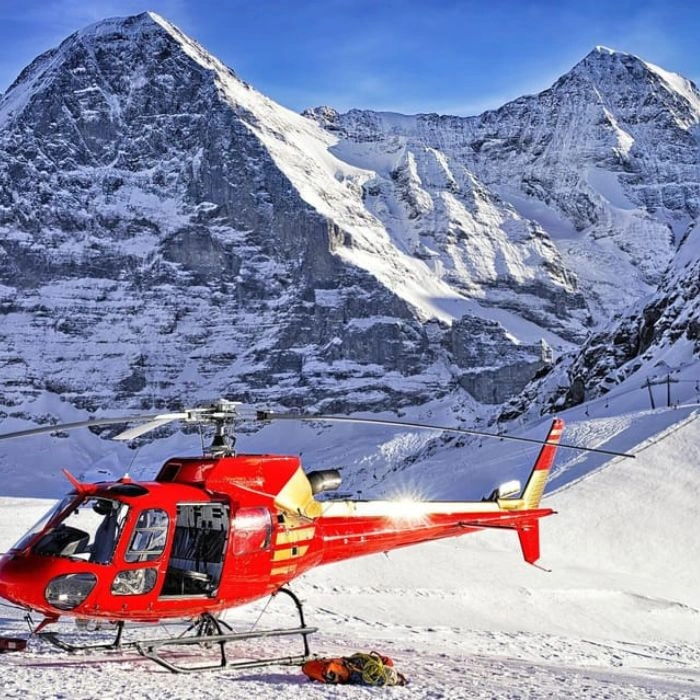
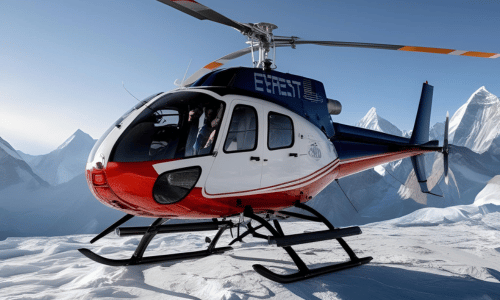
The Everest Helicopter Tour is the perfect adventure for travelers who want the “I saw Mount Everest with my own eyes” experience—without spending weeks trekking through rugged trails. This luxury day tour takes you from Kathmandu straight into the heart of the Khumbu region, where Everest Base Camp trekkers usually hike for days. Instead of long climbs and tired legs, you’ll be soaring above the Himalayas and landing at breathtaking viewpoints within an hour.
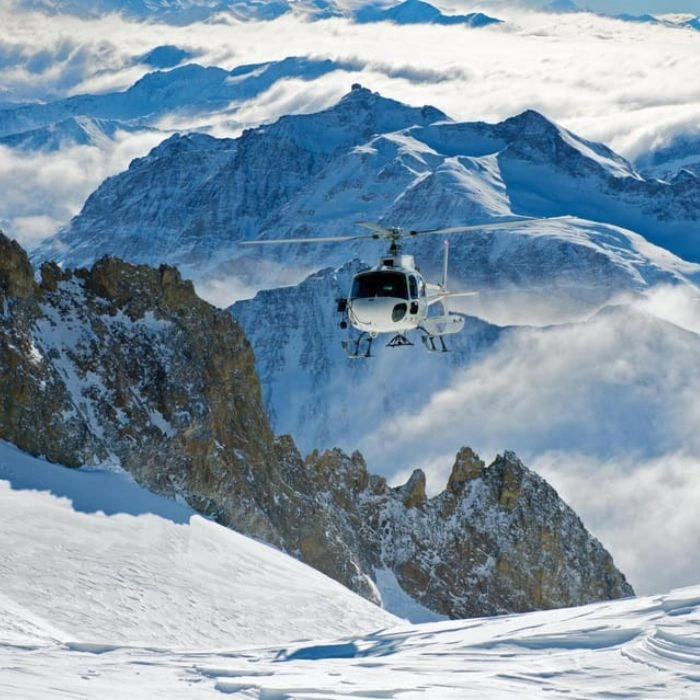
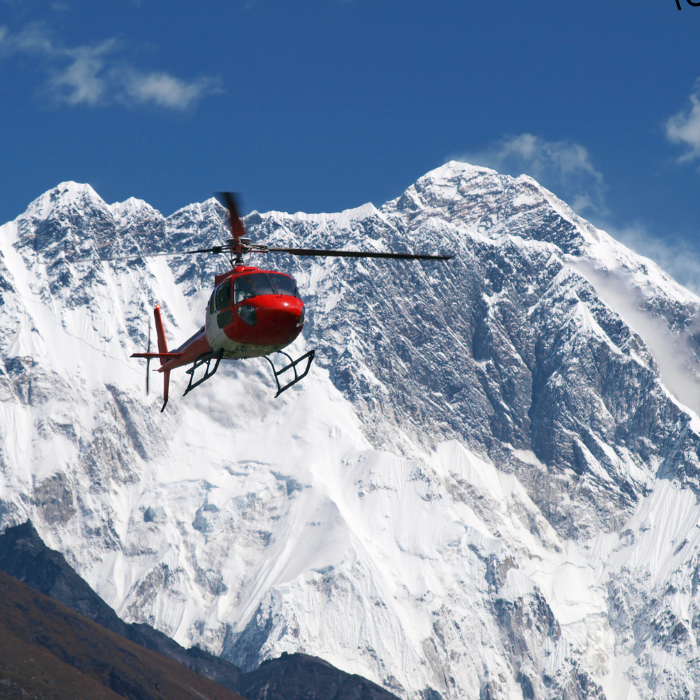
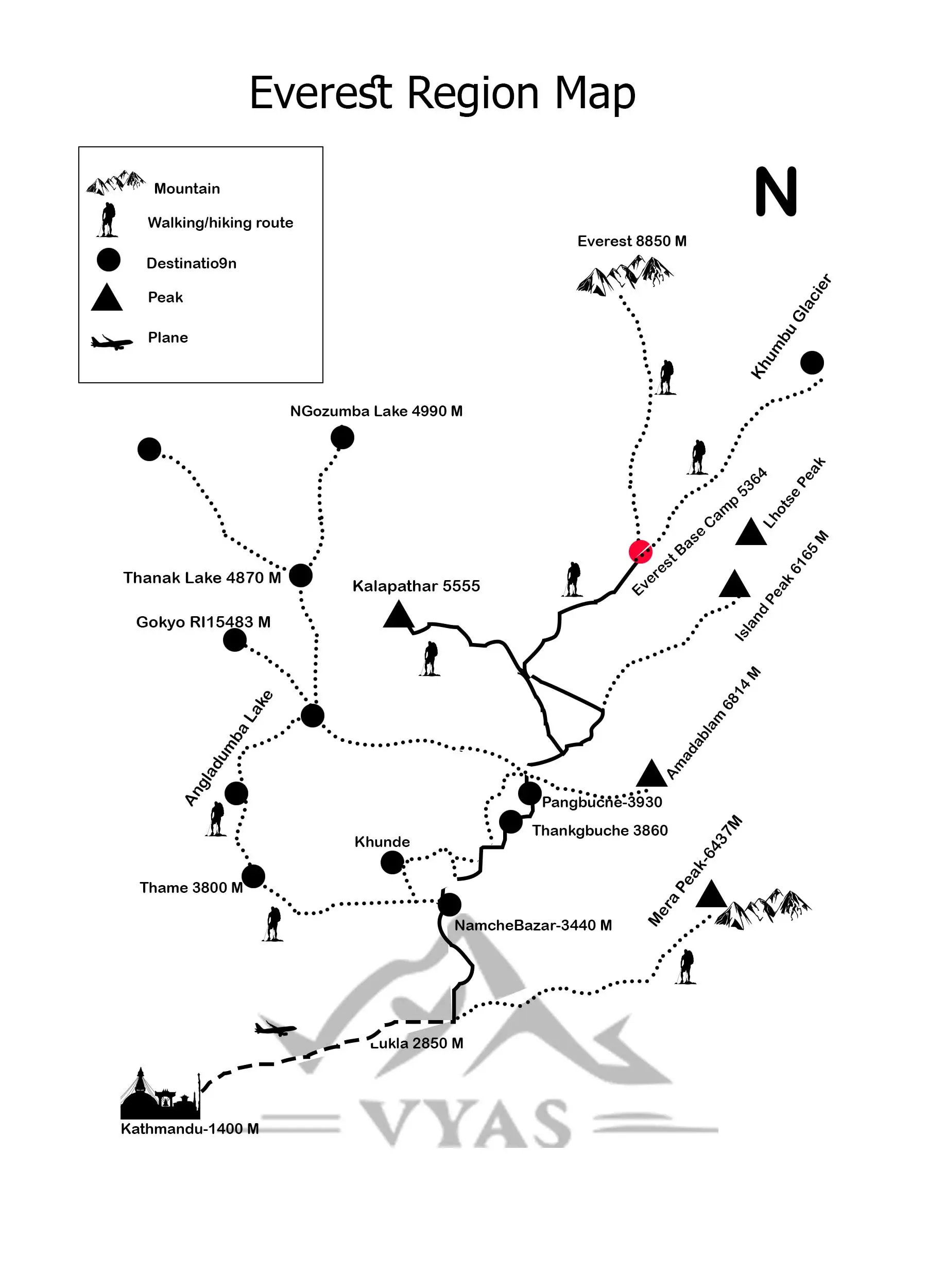
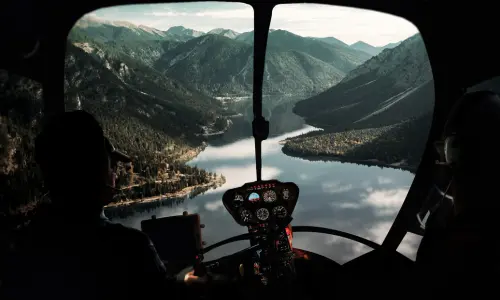
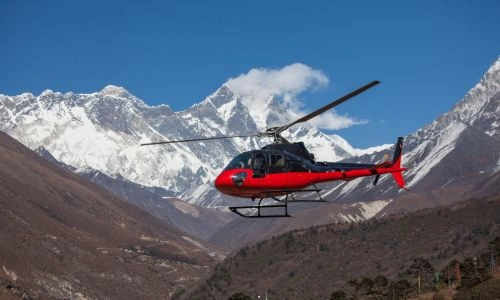
Your journey begins with an early-morning lift-off from Kathmandu. As the helicopter rises, the city fades into a patchwork of hills, terraced farmlands, and deep valleys. Within minutes, the Himalayan giants start to reveal themselves. You’ll fly over iconic places like Lukla, Namche Bazaar, and the winding Dudh Koshi River, watching the landscape shift from dense forests to towering ice peaks. It’s a front-row seat to some of the world’s most dramatic scenery—no sweat, no altitude struggle, just pure aerial magic.
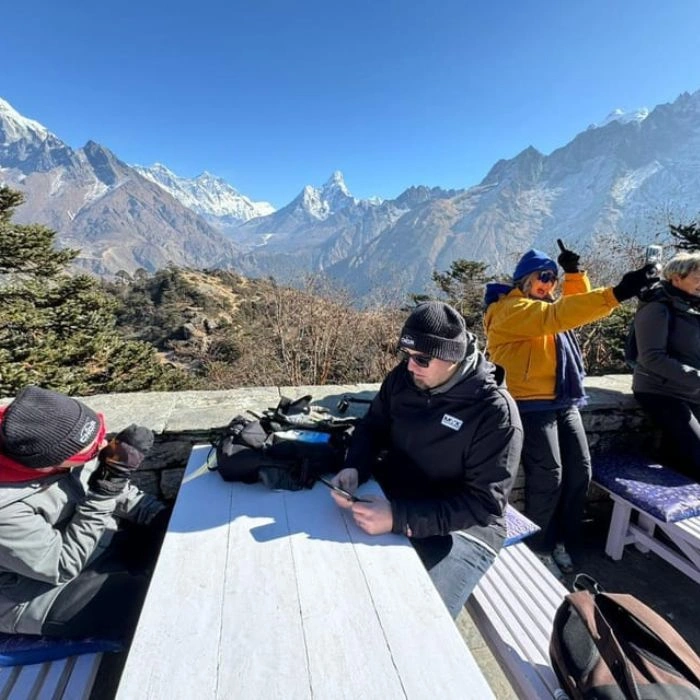
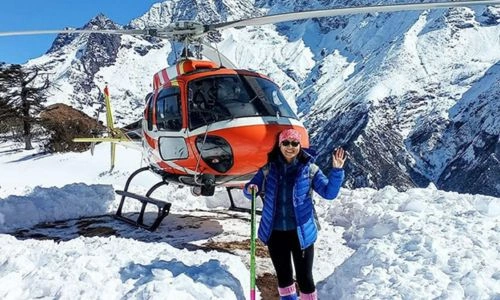
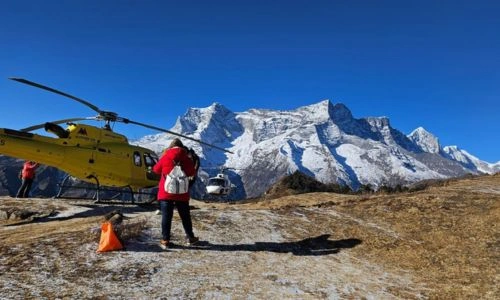
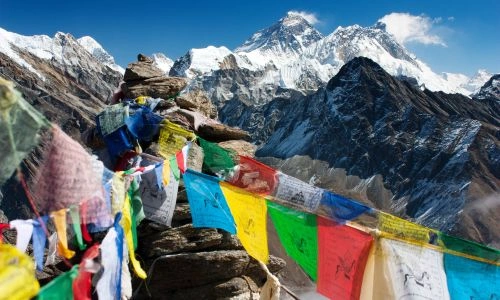
The highlight of this tour is the landing at Kala Patthar (5,545 meters)—the best viewpoint for Mount Everest. Here, Everest doesn’t appear as a distant peak; it stands right in front of you in full, overwhelming glory. Alongside it rise other Himalayan giants like Lhotse, Nuptse, and the iconic Ama Dablam, forming an unforgettable skyline. The Khumbu Icefall, with its chaotic maze of seracs and crevasses, looks both terrifying and beautiful from this vantage point. Standing here feels surreal—it’s the same place climbers use as their gateway to Everest, yet you reached it effortlessly by air.
While the Everest Helicopter Tour isn’t about trekking or wildlife spotting, the aerial views of the Himalayan ecosystem are undeniably stunning. You’ll glide above vibrant rhododendron forests, sweeping pine-covered hills, rocky ridges, frozen glaciers, and snowfields that look straight out of another world. Yaks grazing on remote slopes and birds cruising the high winds add a wild touch to the journey. The scenery changes so quickly from lush valleys to icy landscapes that it feels like witnessing the entire Himalayan story in a single trip.
In short, the Everest Helicopter Tour is not just a sightseeing trip—it’s a once-in-a-lifetime experience. It’s fast, luxurious, and unforgettable. Whether you're short on time or looking for a comfortable alternative to trekking, this helicopter tour offers an unbeatable way to see Mount Everest and the legendary Himalayas up close. A few hours in the air, and you’ll return with memories—and photos—that feel truly epic.
Everest Helicopter Tour: Unforgettable Highlights and Scenic Views
- Quick access to Everest Base Camp (5,364m) — skip the grueling trek but still stand where legends begin their climb.
- Breathtaking panoramic views of Mount Everest, Lhotse, and Nuptse — like having the entire Himalayan skyline in your face, no filters needed.
- Fly over iconic Sherpa villages like Lukla and Namche Bazaar — soak in mountain culture and prayer flags from a bird’s-eye view.
- Landing at Kala Patthar (5,545m) — the ultimate Everest viewpoint for that heart-stopping, once-in-a-lifetime photo op.
- Witness the Khumbu Icefall from above — see the infamous, deadly glacier maze that only the bravest dare cross.
- Catch glimpses of Himalayan wildlife and alpine forests from the air — spotting yaks grazing and vultures soaring without leaving your seat.
- Short, efficient trip with minimal altitude sickness risk — get the Everest buzz without the weeks of trekking or physical exhaustion.
- Perfect for travelers short on time or those who want Everest views without the sweat — a helicopter tour that delivers max wow factor with zero hassle.
Everest Helicopter Tour Weather Guide: When Is the Perfect Time to Fly?
Okay, so if you wanna catch Everest in all its glory, spring (March to May) is where it’s at. Think clear skies, mild temps, and those rhododendrons blooming like crazy down in the valleys. The air’s crisp but not freezing, which means your helicopter ride feels smooth, and the mountain views? Insane. You’ll get that iconic Everest pop against bright blue skies — perfect for those brag-worthy shots. Plus, it’s before the monsoon hits, so trails (or in this case, landing spots) are less soggy and more chill.
Then there’s autumn (late September to November) — honestly, the second-best time if you missed spring. The post-monsoon clean-up does its magic, leaving the skies ridiculously clear and the air fresh. Visibility during autumn is top-notch; you can literally see every crag and crevice on Everest’s face without that annoying haze. Temperatures start to dip, especially at higher altitudes like Kala Patthar, so pack a solid jacket — but the tradeoff? Those fiery sunsets over the Himalayas that’ll leave you speechless.
Now, heads-up for the monsoon season (June to early September): I’d personally avoid this for the heli tour. The clouds roll in thick, visibility tanks, and landing sites get wet and tricky. Plus, the whole mountain vibe goes from majestic to moody with rain and fog hiding the peaks. Not great if your whole point is killer mountain views.
Winter (December to February) is a mixed bag. Yeah, it’s cold — like “your fingers might freeze to the camera” cold — and the air’s thin, which can make the ride a bit bumpier. But if you’re into solitude and don’t mind bundling up like an onion, winter means fewer tourists and a snow-covered Everest that’s straight outta a postcard. Just be ready for shorter daylight hours and some chill that bites.
Spring and autumn are your gold mines for Everest helicopter tours. You get clear views, comfy weather, and the kind of mountain vibes that make every second worth it. Monsoon and winter? Only if you’re hardcore or just love an adventure with a side of unpredictability.
Food & Accommodation Guide for the Everest Helicopter Tour
The Everest Helicopter Tour offers a completely different experience compared to traditional trekking. Instead of long hikes and nights in basic teahouses, you stay in proper guesthouses or small hotels in Kathmandu and Lukla. These accommodations provide private rooms—sometimes compact, sometimes cozy—with hot water and, in many cases, a proper shower. Forget shared dorms or questionable bathrooms; the focus here is on comfort and convenience, giving you a relaxing base between helicopter flights. It’s a small luxury, but one that makes the high-altitude adventure much more enjoyable.
Meals on the tour strike a perfect balance between authentic Nepali cuisine and international options. Enjoy steaming bowls of dal bhat, flavorful momos, or hearty noodles to keep your energy high. The kitchens in Kathmandu and Lukla also cater to international tastes, offering pizza, pasta, and even desserts like chocolate brownies. Flying between locations means you don’t have to carry freeze-dried meals or cook on icy ledges, making every meal more enjoyable and stress-free.
While this isn’t five-star dining, hygiene and cleanliness are far better than on standard trekking routes. Guesthouses maintain reasonable standards since they host tourists daily. Personal essentials like hand sanitizer and wet wipes are still recommended. Minor inconveniences, such as power outages, water shortages, or a cook taking a day off, can happen but are rare compared to traditional trekking hardships.
Flying instead of trekking has another advantage: your appetite remains steady, and you can enjoy proper meals without altitude-related exhaustion. With actual beds most nights, hydration and nutrition are easier to manage, and you avoid carrying heavy food packs. This ensures you can fully enjoy the breathtaking views without compromising comfort or energy.
The Everest Helicopter Tour delivers the thrill of seeing Mount Everest without enduring the challenges of a multi-day trek. With clean accommodations, solid meals, and hassle-free travel, this tour offers the perfect combination of adventure and comfort, letting travelers enjoy Everest’s magic with minimal physical strain.
Trekking Permits Required for the Everest Helicopter Tour
Before boarding your helicopter and taking in the breathtaking Everest scenery, it’s important to sort out your trekking permits. Nepal takes trekking regulations seriously, and you don’t want to get held up at a checkpoint without the proper paperwork.
TIMS Card (Trekkers’ Information Management System)
The TIMS card is your essential permit for trekking in Nepal’s popular regions, including the Everest area. It serves as an official record of trekkers in the country. You can obtain your TIMS card in Kathmandu at the Nepal Tourism Board office or through a licensed trekking agency. The cost is approximately $20 for individuals, and the process is straightforward if you have your passport and a few passport-sized photos ready. It’s best to secure this card before heading to Lukla to save time and avoid unnecessary delays.
Sagarmatha National Park Permit
The Sagarmatha National Park Permit is required for entering the protected area around Everest Base Camp. This permit costs around $30 and can be purchased at the park entrance or in Kathmandu. It is non-negotiable and must be carried at all times when entering the park. Most trekking companies handle this permit on your behalf, but it’s wise to confirm before your tour.
Why Permits Matter for Helicopter Tours
Even though the Everest Helicopter Tour skips most of the trekking, it still passes through regulated trekking zones. These permits help Nepal monitor visitors, protect the environment, and ensure safety in high-altitude regions. Independent trekking without a licensed guide is restricted in many areas, so having your permits arranged through a guide or tour operator is highly recommended. Attempting to manage it on your own can lead to unnecessary stress.
Summary of Required Permits
For the Everest Helicopter Tour, you will need:
- TIMS Card (Nepal Trekking Permit) – about $20, issued in Kathmandu or via a licensed agency.
- Sagarmatha National Park Permit – around $30, available at park entry points or in Kathmandu.
Always carry your permits and keep copies as a backup. Your tour operator or guide will usually assist with all paperwork, but knowing the basics ensures a smooth, hassle-free experience. Once these permits are arranged, you’re ready to enjoy the Everest helicopter adventure without interruptions
Fitness Level and Difficulty for the Everest Helicopter Tour
The Everest Helicopter Tour is the ultimate shortcut to the Himalayas — offering jaw-dropping views without enduring a multi-day trek. However, this doesn’t mean it’s completely effortless. There are some fitness considerations to ensure you enjoy the tour safely and comfortably.
Altitude Awareness
The helicopter ascends to around 5,300 meters, near the Everest Base Camp region. The thin air at this altitude can affect anyone, even without trekking. Light headaches, breathlessness, or dizziness can occur, so it’s essential to be aware of how your body reacts to high altitudes.
Minimal Walking and Landings
While the tour avoids long hikes, you’ll need to walk short distances on uneven terrain during helicopter landings, including locations like Lukla and the Everest Base Camp area. Basic stamina and balance are important to move confidently and enjoy the experience.
Physical Requirements
You don’t need to be an athlete, but maintaining decent cardio fitness helps. Activities like brisk walking, jogging, or cycling a few times a week before the trip will prepare your body. Strength training is optional but beneficial for your legs and core to stay stable during landings and short walks.
Acclimatization
Unlike traditional treks, the helicopter ascent is rapid, offering little time to acclimatize. If you have a history of altitude sickness, consult your doctor beforehand. Carrying altitude medication such as Diamox may be advisable under medical guidance to prevent discomfort.
Daily Activity Level
The tour is low-impact and manageable for most visitors in fair shape. Even first-timers to high-altitude adventures can handle the physical requirements with minimal strain.
Mental Preparedness
Flying over Everest can be thrilling and intimidating, especially for those nervous about heights or small aircraft. Mental readiness is just as important as physical fitness for a safe and enjoyable experience.
Summary
- Decent cardio fitness is recommended, though you don’t need to be a hardcore trekker.
- Be prepared for altitude, even for a short stay at 5,300 meters.
- Basic strength and balance help with landings and short walks.
- Consult a doctor if you’re prone to altitude sickness.
The Everest Helicopter Tour offers an incredible Himalayan experience without the physical demands of a traditional trek, but some preparation ensures you can fully enjoy the adventure safely and comfortably.
Conclusion - PlanYour Everest Helicopter Tour
The best season for your Everest Base Camp helicopter tour depends on your preferences for weather and landscape. By considering the factors mentioned above, you can select the ideal time to experience this once-in-a-lifetime adventure. Plan accordingly to make the most of your helicopter tour and enjoy the majestic beauty of the Himalayas.
Looking to take your time and enjoy the vistas? Opt for our Everest View Tour by Helicopter – 6 Days , offering a luxurious, extended journey with breathtaking landings and authentic local encounters.
Alternative Tours & Packages for Everest Helicopter Tour
- Everest Helicopter Landing Tour with Breakfast
Elevate your adventure with a scenic helicopter flight and a unique breakfast stop at a high-altitude lodge, offering panoramic views of Mount Everest and the surrounding peaks. - Everest & Gokyo Lake Helicopter Tour
Soar above the majestic Himalayas to witness both the mighty Everest and the sparkling Gokyo Lakes from the sky — a visual spectacle combining two iconic destinations in one flight. - Everest Base Camp Heli Tour with Guaranteed Landings
A premium helicopter experience that ensures a ground landing near Everest Base Camp, giving you the rare chance to stand in the shadow of the world’s highest peak.




Daniel Foster
2025-06-16 10:51:15
The Everest Helicopter Tour with Vyas Treks Nepal was absolutely mind-blowing! Seeing Mount Everest up close from the sky was like a dream come true. The flight was smooth, the views were beyond words, and the stop at Kala Patthar made the experience even more surreal. The team was professional and made sure we were comfortable and safe at all times. Highly recommended for those who want to witness Everest in a single, unforgettable day!