

Bhutan Druk Path Trek Overview
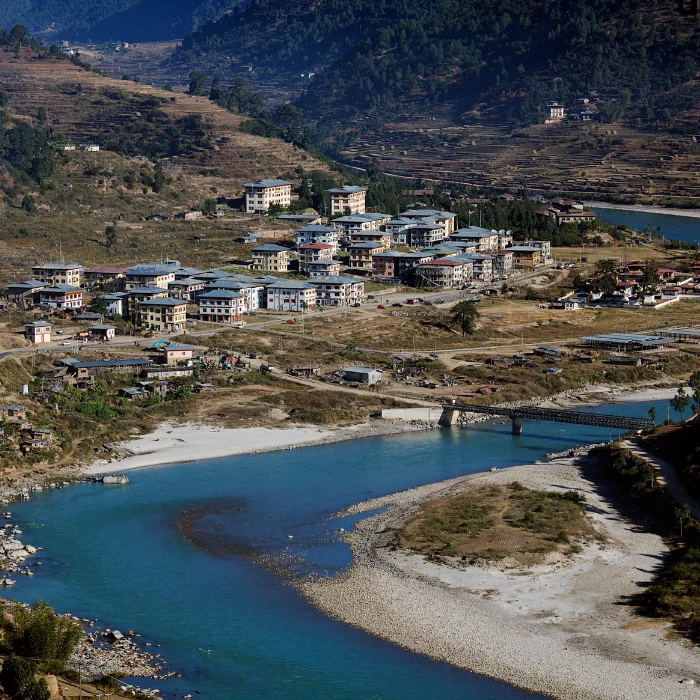
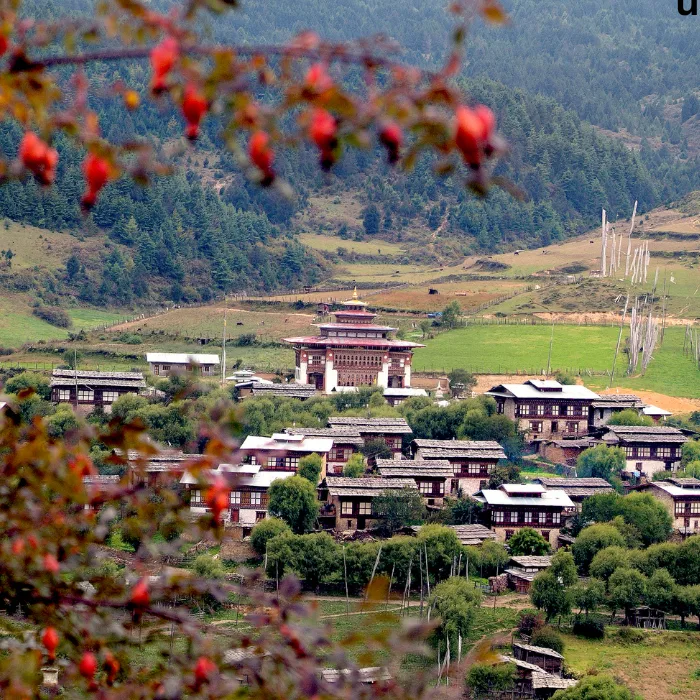
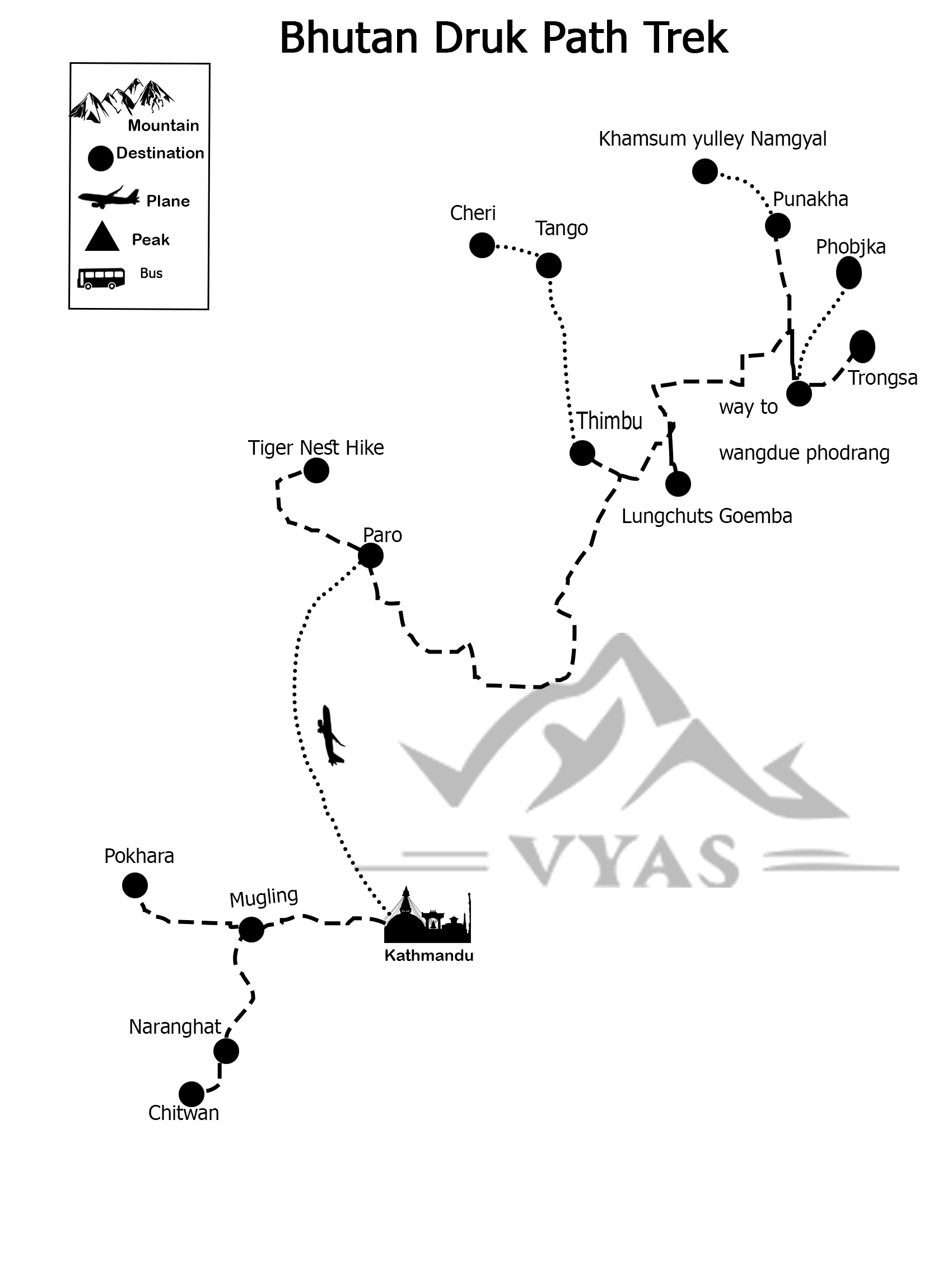
The Bhutan Druk Path Trek is one of Bhutan’s most scenic and culturally rich trekking adventures, offered by Vyas Trekking Pvt. Ltd. This 9-day trek takes travelers through high mountain passes, serene alpine meadows, and traditional Bhutanese villages. It is often referred to as the “Royal Trail of Bhutan” due to its historic significance and breathtaking landscapes. The trek combines moderate trekking with cultural exploration, making it suitable for both novice and experienced trekkers seeking a Himalayan adventure without extreme altitude challenges.
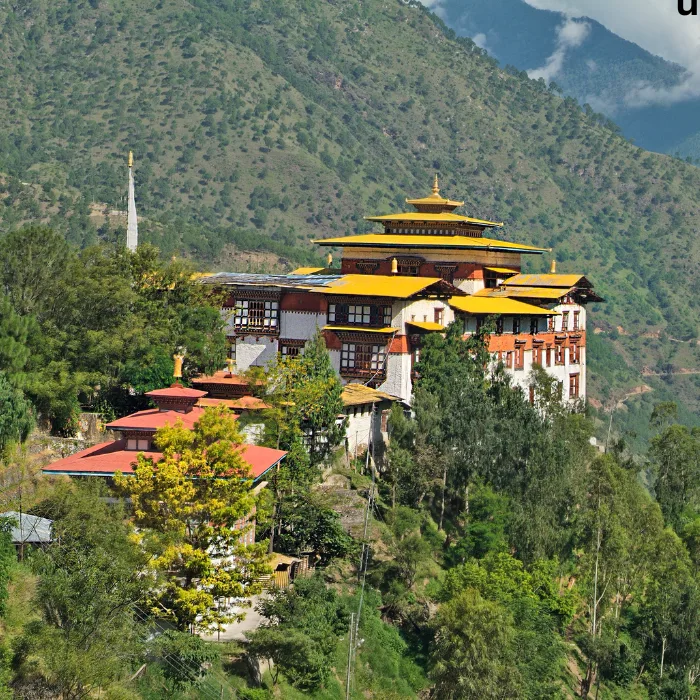
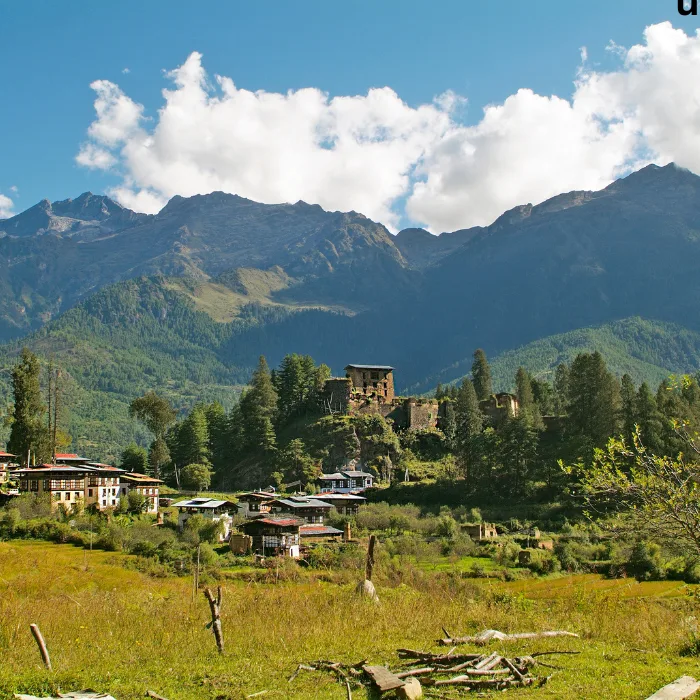
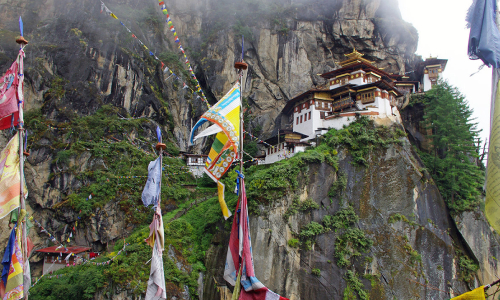
Starting from Paro, trekkers pass through lush pine forests, vibrant rhododendron valleys, and sparkling mountain streams. Along the way, you will witness the iconic Tiger’s Nest Monastery, perched dramatically on a cliff, as well as other historic dzongs and monasteries. The trail offers spectacular vistas of the Bhutanese Himalayas while providing a peaceful escape into nature, far from crowded tourist spots.
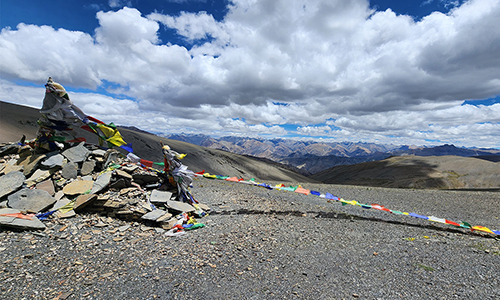
The trek reaches a maximum altitude of 3,880 meters at Tsaluna Pass, offering panoramic views of snow-capped peaks and untouched landscapes. Along the route, trekkers experience the warm hospitality of local communities, stay in comfortable lodges and guesthouses, and enjoy traditional Bhutanese cuisine. Each day is designed to balance trekking, cultural immersion, and acclimatization, ensuring a safe and memorable journey.
With its combination of scenic beauty, cultural richness, and moderate trekking challenges, the Bhutan Druk Path Trek provides a truly unforgettable Himalayan experience. Whether you are an adventure seeker, a nature lover, or a cultural enthusiast, this trek promises stunning landscapes, spiritual experiences, and memories that last a lifetime.
Bhutan Druk Path Trek Route Overview
The Bhutan Druk Path Trek is a scenic 9-day journey linking the cultural hubs of Paro and Thimphu, offering trekkers a perfect combination of nature, culture, and Himalayan adventure. This moderate trek takes you through alpine lakes, ancient monasteries, and high mountain passes, with altitudes ranging from 2,200m to 4,210m. Along the route, trekkers experience stunning panoramas of snow-capped peaks, pristine forests, and traditional Bhutanese settlements. The trail is carefully paced to allow proper acclimatization, photography, and cultural exploration, making it an ideal choice for those seeking a short yet immersive Himalayan adventure.
Below is the day-by-day route overview in a table format for easy reference:
Top Highlights of the 9-Day Bhutan Druk Path Trek
- Scenic high-altitude trek from Paro to Thimphu through ancient Himalayan trails and pristine alpine wilderness.
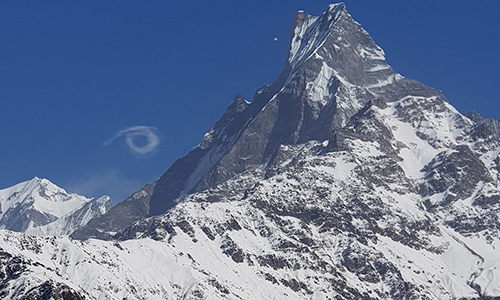
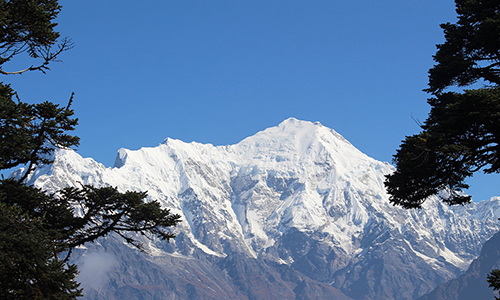
- Reach Labana Pass (4,210m) — the highest point of the trek offering jaw-dropping views of Mount Gangkar Puensum, Bhutan’s tallest peak.
- Visit sacred sites like Taktsang Monastery (Tiger’s Nest) and Phajoding Monastery, combining spiritual insight with natural beauty.
- Trek through lush pine forests, rhododendron valleys, and yak pastures, witnessing Bhutan’s diverse vegetation zones and eco-diversity.
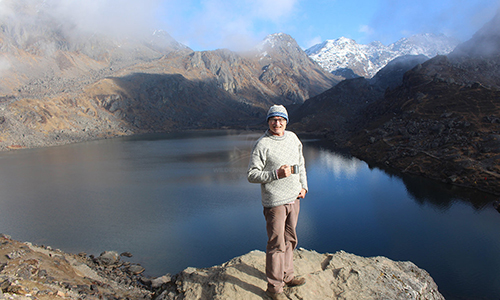
- Camp beside crystal-clear alpine lakes like Jimilang Tsho and Simkotra Tsho, surrounded by untouched serenity and mountain reflections.
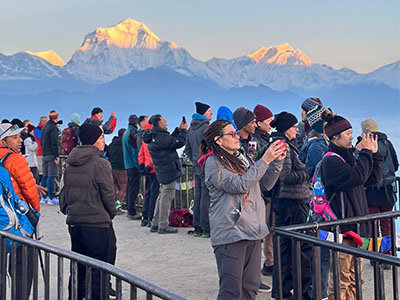
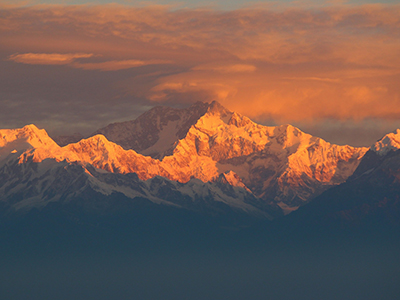
- Panoramic views of the Eastern Himalayas, including distant snow-capped peaks and sweeping valleys, perfect for sunrise photography.
- Spot Himalayan wildlife such as blue sheep, Himalayan monals, and yak herds in their natural highland habitat.
- Authentic cultural immersion in Paro and Thimphu, with traditional Bhutanese hospitality, architecture, and dzongs.
- Moderate trek suitable for beginners to experienced hikers, with well-paced daily walks (4–7 hours/day) and gradual acclimatization.
- Ideal short trek in Bhutan for those seeking a blend of nature, culture, and adventure in just over a week.
Best Season to Trekking Bhutan Druk Path
The best time to experience the Bhutan Druk Path Trek is during the spring (March to May) and autumn (September to November) seasons. These months offer the most pleasant weather, clear skies, and stunning visibility, allowing trekkers to fully enjoy the panoramic Himalayan views and vibrant alpine landscapes.
Spring (March to May): This is one of the most beautiful times to trek, as the rhododendron forests along the trail are in full bloom, painting the mountainsides with shades of red, pink, and white. Temperatures are moderate, days are sunny, and nights are cool, creating perfect trekking conditions. Wildlife sightings, including yaks and Himalayan birds, are more common during this season.
Autumn (September to November): Autumn offers crisp air and stable weather, making it ideal for trekking and photography. The skies are usually clear, giving spectacular views of snow-capped peaks such as Mount Gangkar Puensum. This season also allows trekkers to experience Bhutanese cultural festivals in Thimphu and Paro, adding a unique cultural layer to the trek.
Winter (December to February) brings very cold temperatures and occasional snow, making high-altitude sections challenging, while summer (June to August) is dominated by monsoon rains, slippery trails, and reduced visibility. Therefore, spring and autumn remain the most recommended seasons to enjoy a safe, scenic, and culturally immersive Druk Path Trek.
Food & Accommodation on the Bhutan Druk Path Trek – Comfort and Cuisine Overview
On the Bhutan Druk Path Trek, trekkers can expect a comfortable and authentic experience with food and lodging options that reflect the region’s unique culture and mountain environment. While this trek primarily involves camping at designated sites rather than teahouses or lodges (common in Nepal trekking routes), the facilities are well-organized, clean, and geared towards ensuring a pleasant stay amid the wilderness.
Accommodation – Camping Comfort in the Himalayas
Since the Druk Path Trek is a high-altitude, remote trail spanning approximately 9 days, accommodation is primarily in camp sites equipped with tents and basic facilities. The camping gear, including sleeping tents and dining tents, is usually provided by trekking agencies, allowing trekkers to experience nature closely while enjoying essential comforts such as sleeping mats and sometimes hot showers depending on the season and camping location.
In Bhutan, strict environmental regulations ensure that camping is done responsibly with minimum ecological impact. Campsites are situated near alpine lakes, forest clearings, or traditional villages, providing serene views and a genuine wilderness experience. Compared to teahouse trekking in Nepal, the Druk Path’s camping style offers more immersion in nature and tranquility.
Food Options – Local Flavors & International Choices
Meals on the Druk Path Trek are prepared by the trekking crew at campsites, focusing on nutritious and energizing food suitable for high-altitude trekking. Typical menus include Bhutanese staples such as red rice, ema datshi (chili cheese stew), buckwheat pancakes, and momos (dumplings). Alongside these, you can expect familiar international options like pasta, noodles, soups, and porridge, catering to different tastes and dietary needs.
Tea, coffee, and hot lemon drinks are commonly served to keep trekkers warm and hydrated during cold mornings and evenings. Vegetarian and special dietary requests can usually be accommodated with prior notice. Hygiene standards are maintained carefully, with clean water provided for drinking and cooking, and waste disposal following strict Bhutanese environmental guidelines.
What to Expect at Different Altitudes
As the trek progresses from lower valleys around Paro (~2,200m) to alpine zones near Labana Pass (4,210m), the availability of fresh ingredients becomes limited. Therefore, the menu gradually shifts towards dried and preserved foods at higher elevations. However, the quality and quantity remain consistent to keep trekkers well-fueled.
Camp comfort varies slightly with weather and altitude; expect cozy tents with warm bedding during chilly nights and simple seating arrangements in dining tents. Despite the rustic setting, trekkers report a rewarding blend of cultural hospitality and natural beauty that outweighs the basic facilities.
In summary, while the Bhutan Druk Path Trek doesn’t offer traditional teahouse trekking in Nepal style accommodations, its well-organized camping lodges and wholesome food options provide a memorable and comfortable trekking experience. With delicious local cuisine, reliable international meals, and environmentally conscious camping, trekkers can focus on enjoying the breathtaking landscapes and cultural richness of Bhutan.
Trekking Permits & Regulations for the Bhutan Druk Path Trek
Before setting off on the Bhutan Druk Path Trek, obtaining the correct permits and understanding the regulations is crucial. Bhutan is known for its strict tourism policies aimed at preserving its unique culture and fragile environment. Unlike Nepal, where trekkers obtain permits like the TIMS card and conservation area permits, Bhutan’s trekking permits are regulated through the government’s official tourism channels, ensuring a safe and eco-friendly trekking experience.
Key Permits Required for Bhutan Druk Path Trek:
- Bhutan Tourism Visa
All visitors to Bhutan, including trekkers, must secure a tourist visa issued by the Bhutanese government. The visa process is handled by licensed Bhutanese tour operators or international agencies prior to arrival. It requires a confirmed itinerary and payment of the minimum daily tariff, which includes accommodation, transport, guide services, and permits. Visa application is submitted online through the Bhutan Tourism Council, and approval typically takes a few days. - Druk Path Trek Permit
The trek itself falls under the jurisdiction of the Bhutanese Ministry of Home and Cultural Affairs, which issues a special trekking permit for the Druk Path route. This permit confirms your authorization to enter protected areas such as the Jigme Dorji National Park, through which the trek passes. The trekking permit is arranged by your licensed tour operator and included in the package costs.
Note: Independent trekking without a guide or permit is not permitted in Bhutan.
- Environmental and Conservation Fees
Bhutan enforces strict environmental policies, and trekkers must pay various conservation fees, often bundled within the tour package. These fees support park maintenance, local communities, and environmental preservation.
Where and How to Obtain Permits:
- All permits for the Bhutan Druk Path Trek are arranged by your licensed Bhutanese tour operator or travel agent prior to your arrival. Independent trekking without an operator is prohibited, so ensure you book with a registered company.
- The visa application and trekking permits are submitted to the Tourism Council of Bhutan via your operator, who coordinates with government offices in Thimphu.
- Permits are generally included in your trekking package price, avoiding the need for separate permit processing or in-person applications upon arrival.
Important Regulations & Restrictions:
- Mandatory Licensed Guide: Bhutan requires all trekkers to be accompanied by a licensed local guide throughout the trek. This rule enhances safety, enriches cultural understanding, and ensures compliance with local laws.
- Group Size Limits: Groups may be subject to size restrictions to minimize environmental impact and preserve trail quality.
- Restricted Areas: Certain sections of the trek pass through protected national parks with limited access. Staying on marked trails and respecting wildlife habitats is mandatory.
- No Solo Trekking: Independent trekking or self-guided trips without permits and guides are strictly prohibited in Bhutan.
In summary, securing the correct permits for the Bhutan Druk Path Trek involves working closely with a licensed Bhutanese tour operator who handles your visa, trekking permit, and conservation fees. This regulated system ensures a safe, culturally respectful, and environmentally responsible trekking experience in Bhutan’s pristine Himalayan landscapes.
Fitness Level & Physical Requirements for the Bhutan Druk Path Trek
The Bhutan Druk Path Trek is a moderately challenging high-altitude trek that requires a good level of fitness and physical preparedness. While the trek is accessible to reasonably fit individuals, understanding the demands of the trail, altitude, and terrain is essential to ensure a safe and enjoyable experience.
Altitude Challenges & Acclimatization
The trek reaches elevations of up to approximately 4,210 meters (13,800 feet) at Labana Pass, making altitude acclimatization a critical aspect of preparation. Trekkers should be aware of potential symptoms of altitude sickness such as headaches, nausea, or dizziness, and take acclimatization seriously by ascending gradually and following rest days as scheduled. Staying hydrated and listening to your body are key to minimizing altitude-related risks.
Daily Walking Distances & Terrain Difficulty
On average, trekkers walk between 5 to 7 hours per day, covering distances of roughly 10 to 15 kilometers (6 to 9 miles) daily. The trail traverses varied terrain — from gentle forest paths and alpine meadows to steep ascents and rocky ridges. While the footing is generally good, some sections require sure-footedness and stamina, especially when crossing high passes or navigating uneven terrain.
Recommended Fitness Preparation
To prepare for the physical demands of the Druk Path Trek, prospective trekkers should focus on building cardiovascular endurance, leg strength, and overall stamina. Recommended training includes:
- Cardio exercises such as running, cycling, or swimming at least 3-4 times per week to improve heart and lung capacity.
- Strength training targeting legs, core, and lower back muscles to handle steep climbs and heavy backpacks.
- Hiking practice on uneven terrain with a loaded backpack, if possible, to simulate trekking conditions.
- Flexibility and balance exercises such as yoga or pilates to enhance agility and prevent injuries.
Fitness for High-Altitude Trekking
While previous high-altitude trekking experience is beneficial, it is not mandatory. However, trekkers must be comfortable with long days of walking at moderate to high elevations. Mental resilience and a positive attitude are just as important as physical fitness for coping with the challenges of remote mountain trekking.
In summary, the fitness for Bhutan Druk Path Trek involves solid cardiovascular health, strength, and acclimatization awareness. With proper preparation focusing on endurance, muscle conditioning, and altitude readiness, trekkers can confidently enjoy the breathtaking landscapes and cultural richness of this unique Himalayan journey.
Final Thoughts on Bhutan Druk Path Trek
The Bhutan Druk Path Trek is more than just a trekking adventure—it is a journey through majestic landscapes, serene alpine lakes, and Bhutanese cultural treasures. From the iconic Tiger’s Nest Monastery to the high passes and pristine meadows, every step immerses you in the kingdom’s natural beauty and spiritual heritage. This 9-day trek is perfect for travelers seeking a balanced mix of adventure, culture, and breathtaking Himalayan scenery.
Want to discover Bhutan in a more refined way? Our Bhutan’s Royal Heritage Tour combines cultural depth with luxurious comfort, featuring handpicked accommodations and immersive experiences rooted in the kingdom’s royal legacy. When paired with the Druk Path Trek, it creates an unforgettable blend of high-altitude adventure and Bhutanese royal charm, making your journey truly one-of-a-kind.
With moderate trekking challenges, carefully planned itineraries, and well-paced daily routes, this trek suits both novice and experienced adventurers. Each day is thoughtfully designed to allow ample time for acclimatization, photography, and cultural exploration, ensuring that you can enjoy the experience without stress.
Embark on this journey to explore Bhutan’s untouched beauty, engage with its rich culture, and create memories that will last a lifetime. Book your adventure today with Vyas Trekking Pvt. Ltd, and let our experienced team guide you safely through this remarkable Himalayan trail, turning your dream of Bhutan into reality.
Alternative Tours & Packages
- Bhutan Discovery Tour
A cultural journey through Bhutan’s scenic valleys and sacred landmarks, offering a glimpse into the country’s spiritual and traditional lifestyle. Ideal for travelers seeking a relaxed itinerary with rich cultural depth and stunning views.




James Holloway
2025-06-15 18:00:13
The Druk Path Trek in Bhutan was a magical experience, and Vyas Treks Nepal organized it perfectly. The trail was peaceful and scenic, with stunning views of the Himalayas, pristine lakes, and ancient monasteries. Our Bhutanese guide was incredibly knowledgeable and shared so much about the local culture and history. Everything—from permits to accommodations—was smooth and stress-free. A beautiful trek that I’ll remember forever!