

Everest Base Camp Trek Overview – A Complete 14-Day Himalayan Adventure
The Everest Base Camp (EBC) Trek is one of the most iconic and rewarding trekking experiences in the world. Standing amidst the world’s highest peaks, this journey takes you into the heart of the Nepalese Himalayas, offering awe-inspiring landscapes, unique cultural encounters, and the thrill of trekking to the base of Mount Everest (8,848m / 29,029ft). With a maximum altitude of 5,364 meters, this 14-day trek is ideal for adventurers seeking a blend of natural beauty, cultural immersion, and physical challenge.
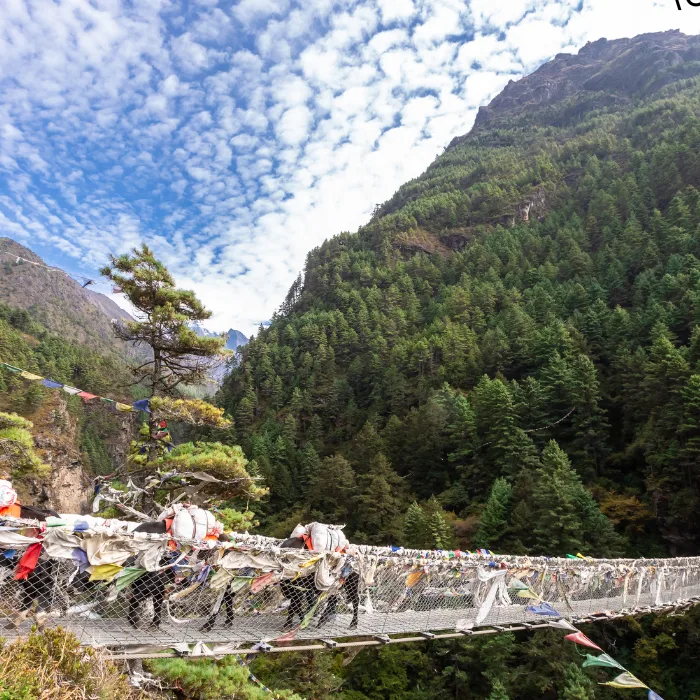
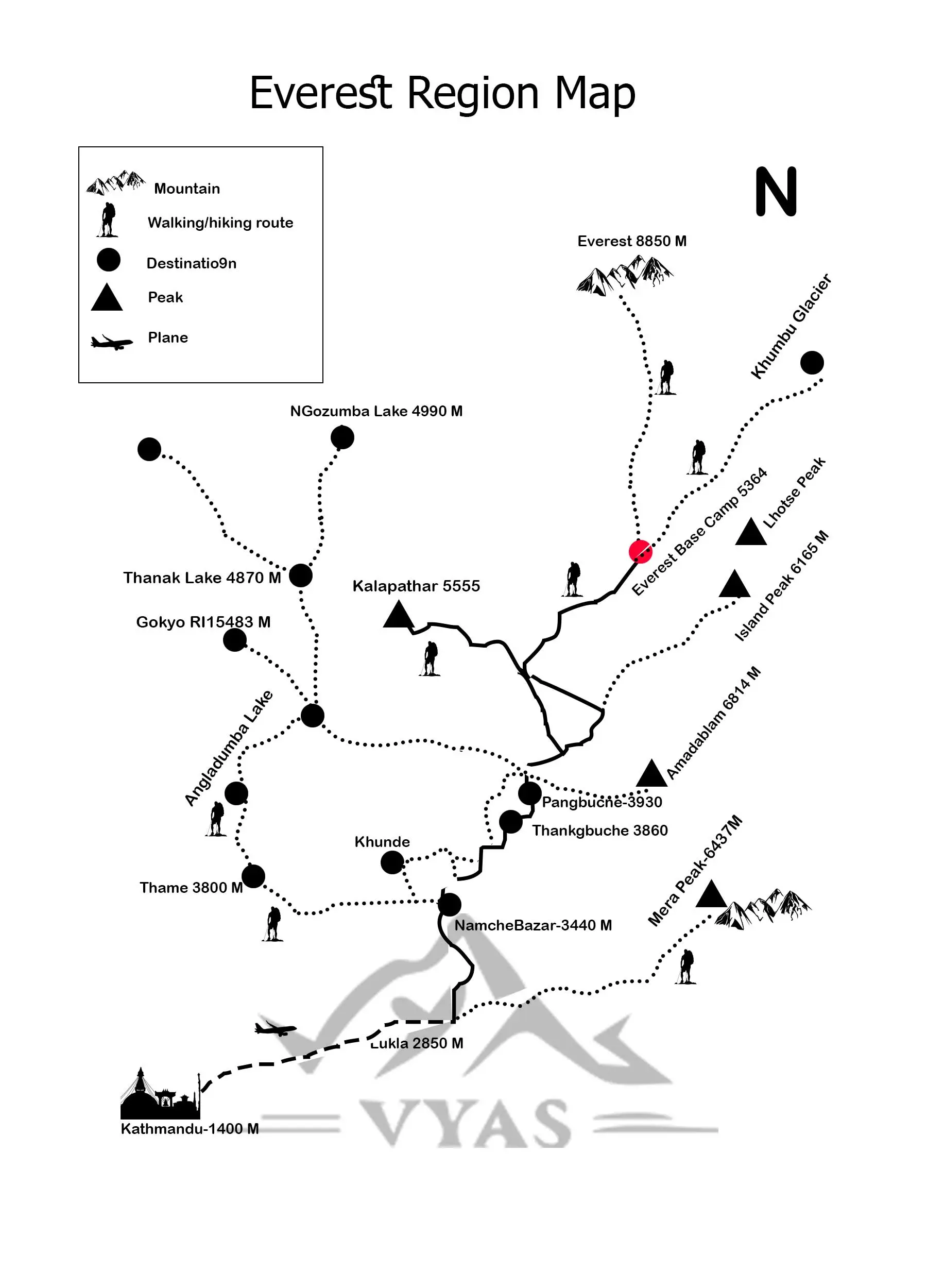
The trek begins in Kathmandu, Nepal’s bustling capital city. From here, you fly to Lukla, the gateway to the Everest region, where the adventure truly begins. Trekkers follow scenic trails through rhododendron forests, rivers, and remote villages inhabited by the Sherpa people, offering an authentic glimpse of Himalayan culture. Along the way, traditional monasteries, prayer flags, and stone mani walls create a spiritual atmosphere that enriches the trekking experience.
One of the highlights of the trek is visiting Namche Bazaar, a vibrant Sherpa hub that serves as a resting point and acclimatization stop. Trekkers experience local markets, cafés, and museums while adjusting to high altitude. The journey continues through Tengboche, Dingboche, and Lobuche, each offering unique landscapes—from serene alpine meadows to glacial moraine paths.
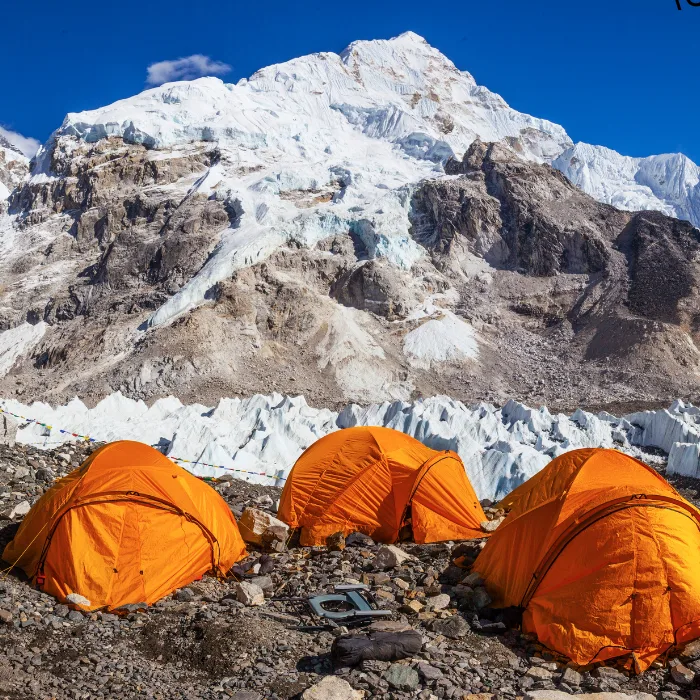
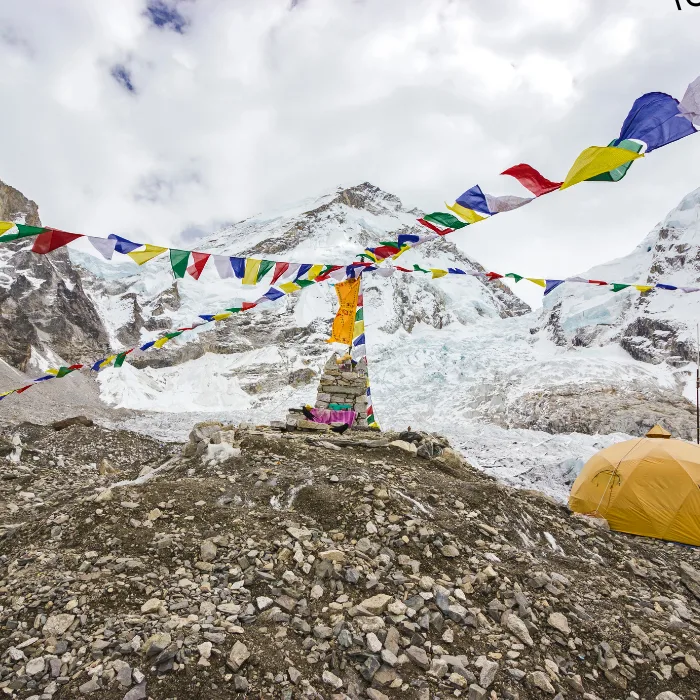
The pinnacle of the trek is reaching Everest Base Camp itself, where climbers preparing for the summit of Everest begin their ascent. The views of the Khumbu Icefall, towering peaks like Ama Dablam, Nuptse, and Lhotse, and the vast glacier system create an unforgettable panorama. A visit to Kala Patthar at sunrise is a must, providing the best vantage point for photography and an incredible sense of achievement.
The Everest Base Camp Trek is meticulously planned to balance trekking distance, acclimatization, and rest. With expert guides, support staff, and tea house accommodations along the route, the trek is accessible to moderately fit trekkers seeking a once-in-a-lifetime adventure. By the end of the 14 days, trekkers return to Kathmandu with memories of Himalayan grandeur, cultural connections, and personal triumphs that last a lifetime.
EBC Trek Route Overview: Major Stops, Altitude Gains & Real Trail Talk
This ain’t your cute little hill walk. The Everest Base Camp Trek kicks off with a scenic flight from Kathmandu to Lukla, aka the “hold-your-breath runway” moment. From there, you’re straight into the Khumbu region, starting the grind at Phakding (2,610m)—don’t let the chill vibes fool you, it’s the calm before the altitude storm. The trail quickly snakes into Namche Bazaar (3,440m), the Sherpa capital where the Wi-Fi’s weak but the views of Thamserku slap. You’ll spend an acclimatization day here—read: pant up a hill to Everest View Hotel, pretend it’s relaxing, and try not to pass out.
From Namche, things get real. You hit Tengboche Monastery, one of the most spiritual and photogenic places on the route, with Ama Dablam flexing hard in the background. Side note: If you skip the evening chanting session, did you even trek? Then it’s up to Dingboche (4,410m), where your nose freezes every time you exhale but the panoramic views of Lhotse, Island Peak, and Taboche make you forget the pain… briefly.
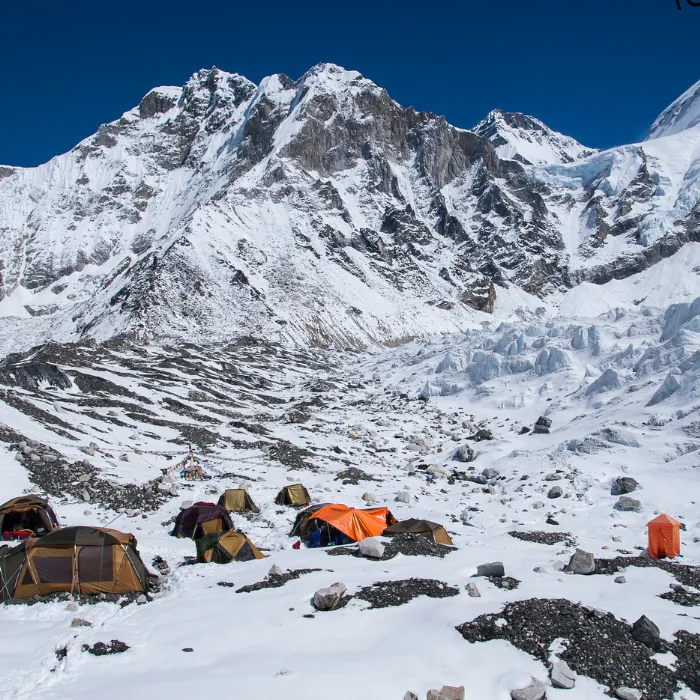
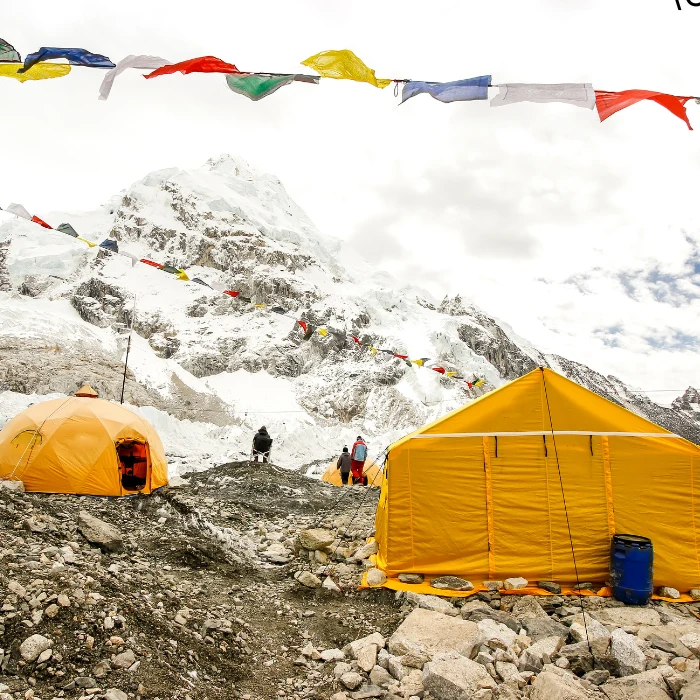
Now comes Lobuche, the dusty outpost at 4,940m where oxygen is a luxury and beds creak like ghost stories. From there, you finally reach Everest Base Camp (5,364m) via Gorakshep—a frozen sandbox of hopes, headaches, and ice walls. Base Camp itself? Honestly, it’s not glamorous. No, Everest doesn’t show off from there, but standing in the middle of that glacier field, surrounded by prayer flags and tents? Feels like you’re part of something ancient and brutal and epic.
Next morning, it’s Kala Patthar time (5,545m), aka the real Everest viewpoint. Get up before sunrise, curse your life choices, and then watch the first light hit Everest’s summit like the Himalayas just turned on god mode. After that emotional uppercut, you descend—Pheriche, Namche, and finally back to Lukla, retracing your steps with a little less swagger and a lot more soul.
Top Highlights of the Everest Base Camp: 16 Days of Himalayan Madness
So, you’re signing up for 16 days deep in the wild Khumbu region, hiking from Lukla’s scary little airport right up to the shadow of the world’s tallest freakin’ mountain. This trek? It ain’t no casual stroll. It’s an emotional, physical, soul-crushing rollercoaster that slams altitude, Sherpa vibes, jaw-dropping views, and freezing mornings down on you non-stop. Here’s the straight-up lowdown — the highlights that make the Everest Base Camp trek unforgettable (and yeah, sometimes brutal as hell).
What You’ll Actually Remember
- The heart-racing flight from Kathmandu to Lukla (2,860m) — tiny runway, giant mountains, and your gut doing backflips. No joke, pray for a smooth landing.
- Walking into Namche Bazaar (3,440m) — Sherpa central where you finally feel the altitude creeping in and the culture hits different. Don’t skip that side trip to Everest View Hotel — the views are worth every damn step.
- The spiritual chaos at Tengboche Monastery (3,870m) — chanting, prayer flags whipping in the wind, and Ama Dablam flexing like the boss mountain it is. Your camera’s gonna sweat.
- The brutal climb to Dingboche (4,410m) — cold as hell, rocky as hell, lungs screaming, but the panoramic views of Lhotse and Island Peak keep dragging you forward. Hate it and love it all at once.
- Lobuche’s dusty, oxygen-thin hell (4,940m) — legs jelly, brain fog, and every breath feels like a challenge. Welcome to high altitude misery.
- Standing at Everest Base Camp (5,364m) — not glamorous, just raw glacier, prayer flags, and that insane feeling like you’re on top of the freakin’ world.
- Sunrise trek to Kala Patthar (5,545m) — the real Everest lookout where the pain hits your soul as much as the freezing cold hits your face.
- Chilling in Gorakshep (5,164m) — last teahouse stop before Base Camp, with sketchy beds but views that slap harder than your tired brain can process.
- Hiking through rhododendron forests and yak pastures — watching the landscape shift from green jungles to barren alpine zones. The Himalayas aren’t just rocks, man. They’re alive.
- Dal Bhat Power 24/7 — that Nepali carb bomb that fuels your legs when you think you can’t go on. You’ll swear at it, then crave it like your life depends on it.
- Sherpa hospitality and culture — these folks ain’t just guides, they’re family out here. Their stories, smiles, and badass mountain wisdom make those altitude headaches kinda worth it.
Required Permits for EBC Trekking – Entry and Park Regulations
Trekking to Everest Base Camp requires official permits to ensure safety, conservation, and legal access to the region. Here’s a detailed breakdown:
Note: Vyas Treks Nepal arranges all permits before or during the trek, so trekkers can focus fully on the adventure. Proper permits help preserve the Himalayas, support local communities, and ensure a smooth trekking experience.
Best Time to Trek Everest Base Camp – Weather, Views, and Trails
The ideal time to undertake the Everest Base Camp trek is spring (March–May) and autumn (September–November).
- Spring: Offers blooming rhododendrons, moderate temperatures, and clear skies for stunning mountain views.
- Autumn: Brings dry, stable weather, crisp air, and unobstructed panoramic views of Everest, Lhotse, Ama Dablam, and other iconic peaks.
Winter can be extremely cold with snow blocking trails, while the monsoon (June–August) brings heavy rainfall, slippery trails, and limited visibility. Planning in spring or autumn ensures safety, comfort, and maximum scenic enjoyment.
Everest Base Camp Trek Difficulty – Who Can Attempt This Adventure
The Everest Base Camp trek is considered moderate to challenging. It involves trekking up to 5,364 meters, with long walking hours and steep sections along rocky, glacial, and moraine trails. While technical climbing is not required, trekkers must be physically fit and capable of walking 5–7 hours a day at high altitudes.
Proper acclimatization days in Namche Bazaar and Dingboche are included to minimize altitude sickness. Trekkers should be prepared for changing weather conditions, cold nights, and occasional rain or snow. With professional guides, support staff, and well-planned logistics, even moderately fit adventurers can safely complete the trek while enjoying breathtaking Himalayan views.
Final Thoughts on Everest Base Camp Trekking – Adventure, Culture, and Memories
The Everest Base Camp trek is more than just a journey — it’s a life-changing adventure that blends thrill, natural beauty, and cultural discovery. From walking through vibrant Sherpa villages to gazing at the world’s tallest peaks, every step brings a sense of wonder and achievement. The crisp mountain air, the flowing glacial rivers, and the snow-capped Himalayas create moments that stay with you long after the trek ends.
Reaching Everest Base Camp and standing on Kala Patthar to witness the sunrise over Everest is an unforgettable experience that few adventures in the world can match. The trek challenges your limits, strengthens your resilience, and rewards you with memories that last a lifetime.
Whether you’re a first-time trekker or a seasoned adventurer, the Everest Base Camp trek offers an experience that combines adventure, culture, and awe-inspiring scenery in one incredible journey.
Don’t wait to make this dream a reality. Plan your trek, embrace the Himalayas, and let the adventure transform you. Book your journey today with Vyas Treks Nepal and step into the heart of the world’s highest mountains.
Alternative Tours & Packages
- Everest Heli Trek with Kalapatthar Summit
Trek part of the Everest trail and end your journey with a thrilling helicopter ride from Gorakshep, including a scenic flyover of Everest and a landing at Kalapatthar for breathtaking views.
- Everest Three Pass Trek
A challenging and scenic high-altitude trek that crosses Renjo La, Cho La, and Kongma La — offering unmatched panoramic views, remote trails, and a deeper Everest region experience.
- Everest Region Short Trek
Perfect for travelers with limited time, this short trek delivers incredible Himalayan views and cultural immersion without the demanding commitment of reaching Base Camp.
- Everest View Trek – 5-Star Himalayan Experience
A luxury trekking option that blends Sherpa hospitality and boutique lodges with sweeping views of Everest. Ideal for those seeking comfort while enjoying the mountain landscapes.




Susan G. Miller
2025-11-09 15:23:57
The Everest Base Camp Trek was truly a monumental experience, and every challenging step was entirely worth it to witness the Khumbu Icefall and towering peaks. Our guide's experience in managing the altitude and logistics was absolutely essential, ensuring the entire team stayed healthy and safe. The overall sense of accomplishment and the views of Everest made this the trip of a lifetime.