
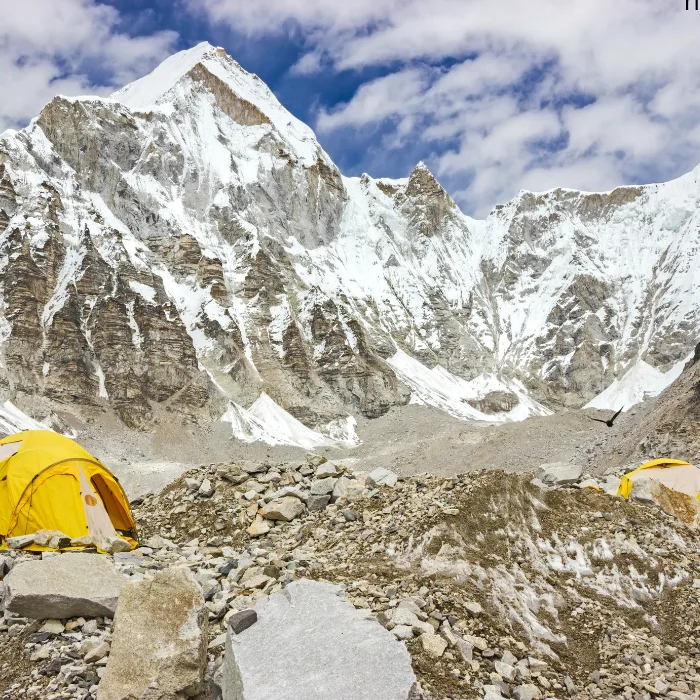


Everest Three Pass Trek Overview – 21 Days Himalayan Adventure
The Everest Three Pass Trek is one of the most thrilling and diverse trekking adventures in the Himalayas. Covering the iconic Khumbu region, this trek combines high-altitude mountain passes, glacial landscapes, and the chance to witness Mount Everest up close. Over 21 days, trekkers traverse challenging terrains while soaking in the culture, history, and natural beauty of Nepal.
This trek is designed for adventurous travelers who want a complete Everest experience, including visits to Everest Base Camp, Gokyo Lakes, and the three major high passes: Cho La, Renjo La, and Kongma La. Each pass offers panoramic views of some of the world’s highest peaks, making this journey an unforgettable Himalayan adventure.
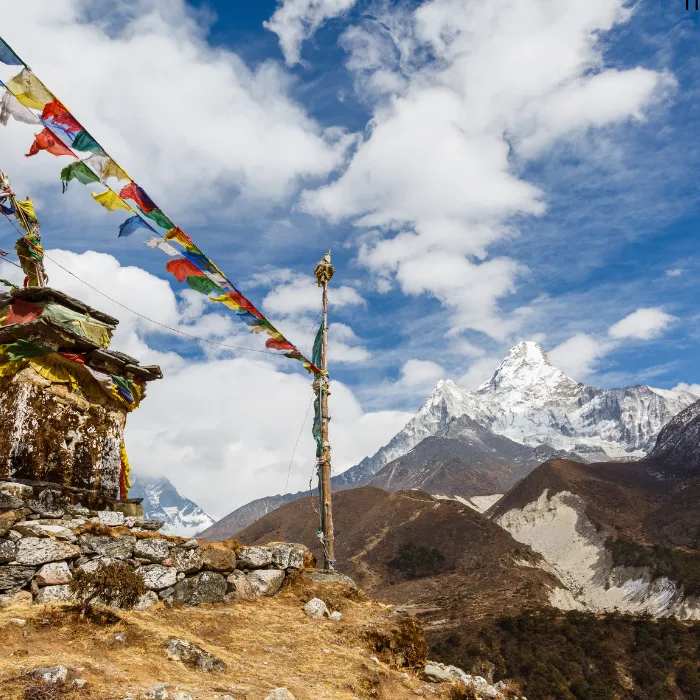
The journey starts with a short flight from Kathmandu to Lukla, followed by gradual trekking through Sherpa villages, alpine forests, and high valleys. Along the way, trekkers experience the rich Sherpa culture, ancient monasteries, prayer flags, and traditional teahouses that provide a warm welcome after long trekking days.
With carefully planned acclimatization days at Namche Bazaar and Dingboche, the Everest Three Pass Trek ensures safety and comfort while gradually preparing trekkers for the high-altitude passes. This balance of adventure and safety makes it suitable for moderately experienced trekkers seeking a challenging yet rewarding journey.
Beyond the physical challenge, this trek offers memorable experiences of Nepal’s natural and cultural wonders. From the awe-inspiring sunrise over Everest to the turquoise lakes of Gokyo and the rugged glaciers at the high passes, each day provides a sense of accomplishment and connection with the mountains. By the end of the 21 days, participants not only conquer high passes but also gain a deep appreciation for the Himalayas’ grandeur.
Route Overview of the Everest Three Pass Trek: A Wild Rollercoaster Through Nepal’s Mighty Khumbu
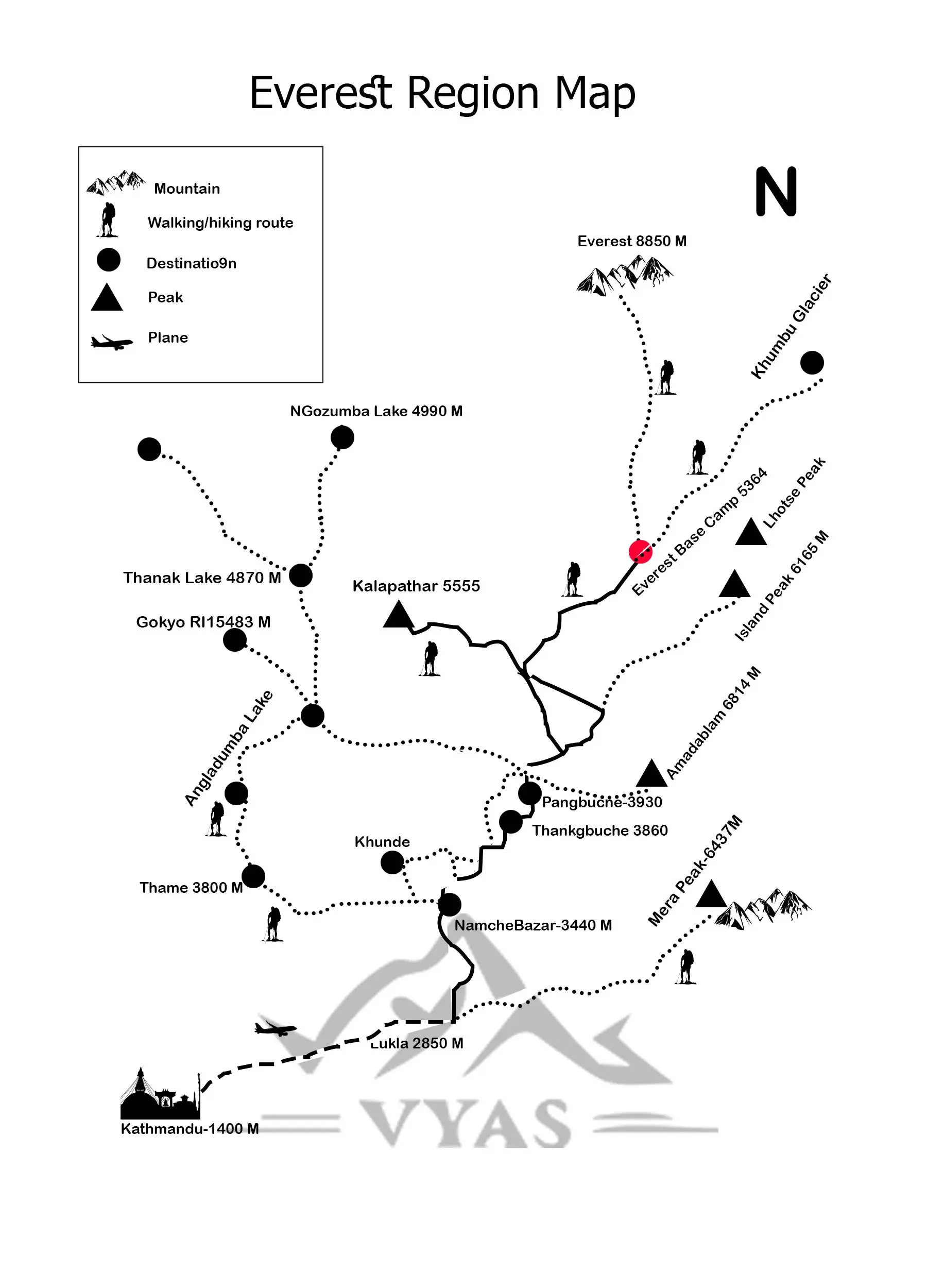
Let’s be real — the Everest Three Passes Trek isn’t your typical bucket-list stroll to Base Camp. This one’s for the crazy folks who want to see everything the Khumbu has to offer and are cool with earning it through three monster passes, a rollercoaster of altitudes, and moments where your lungs beg for mercy. It kicks off in Kathmandu, the chaotic, colorful capital where gear shops and momo joints become your second home. After sorting permits and last-minute trekking odds and ends, you catch that infamous flight to Lukla — 30 minutes of pure adrenaline as you skim ridges and pray the clouds behave.
The trail starts gentle, easing you into village life with Phakding and Namche Bazaar — the Sherpa capital where espresso cafés sit next to yaks. After an acclimatization day (pro tip: hit the Everest View Hotel even if your lungs hate you for it), the route climbs steadily into spiritual highlands. Tengboche greets you with its iconic monastery and surreal views of Ama Dablam. By the time you hit Dingboche, the altitude starts to speak louder — short breaths, slower steps, and insane mountain backdrops that somehow make it worth it.
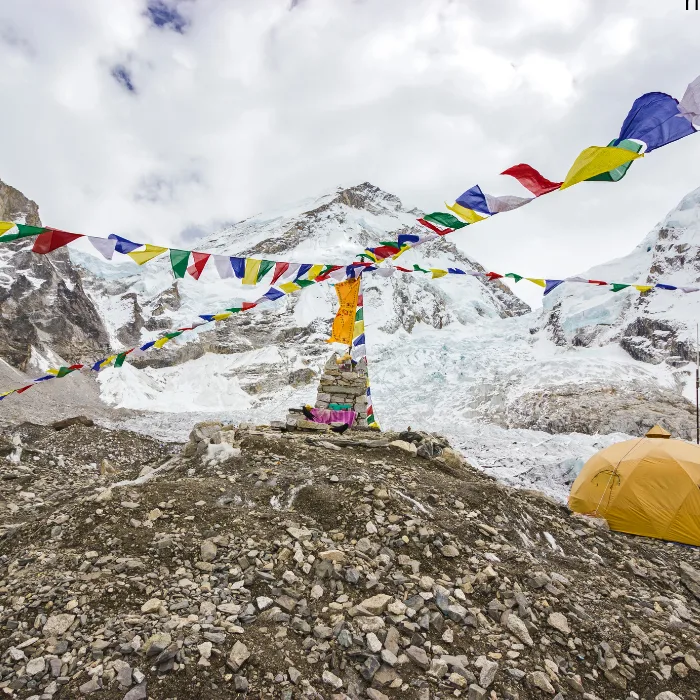
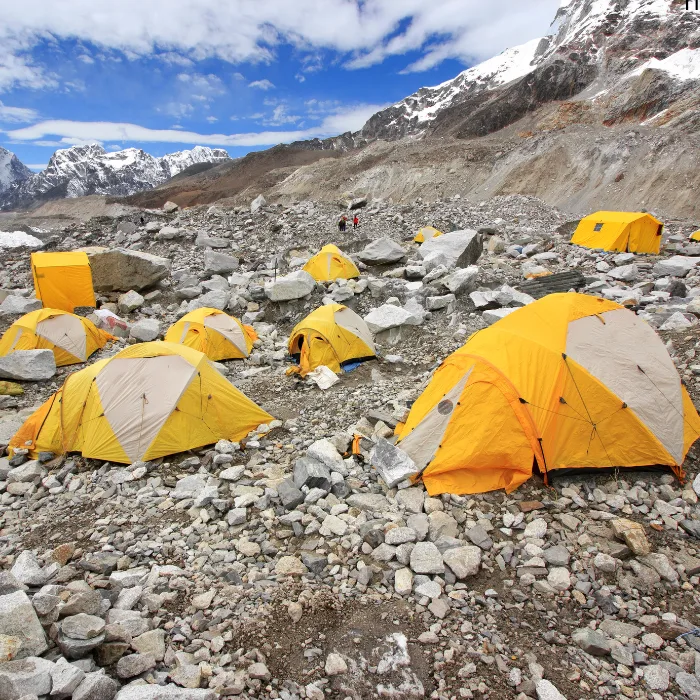
Now the real test begins. First up is Kongma La Pass (5,535m) — rocky, windy, and pure punishment — but crossing it feels like leveling up. You hit Lobuche, detour to Everest Base Camp, and climb Kala Patthar for those sunrise shots that make your frozen fingers forget the pain. Then it’s Cho La time — icy, steep, and sketchy in snow, but it spits you out at Gokyo with its jaw-dropping glacial lakes. If you’ve got gas left in the tank, hike Gokyo Ri — the view of Everest, Lhotse, and Makalu lined up like titans is unreal.
The final boss? Renjo La Pass. It’s the longest, most scenic day, opening up to vistas that feel like you’re walking through a postcard. From there, the descent is a sweet release — through the quiet charm of Thame, past monasteries and mani walls, reconnecting with the Dudh Koshi river and retracing steps through Manjo and Lukla. One last night with your crew, a few beers (Everest brand, obviously), and it’s back to Kathmandu — dirt-caked boots, full heart, and a head spinning with stories you’ll never stop telling.
Everest Three Pass Trekking Highlights
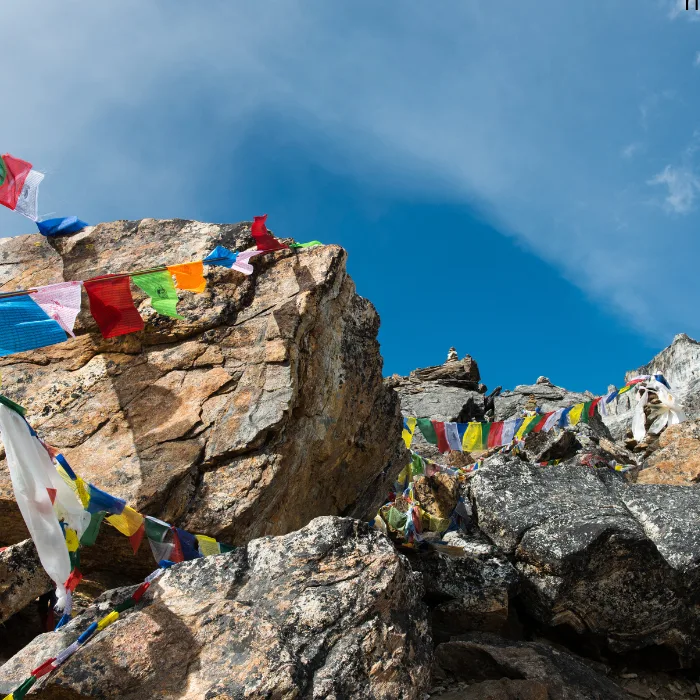
- Three High Passes: Conquer Cho La (5,420m), Renjo La (5,360m), and Kongma La (5,535m) for breathtaking panoramic views.
- Everest Base Camp: Stand at the foot of the world’s highest mountain, witnessing its immense beauty.
- Kala Patthar Summit (5,545m): Enjoy iconic sunrise and sunset views over Everest, Lhotse, Nuptse, and Ama Dablam.
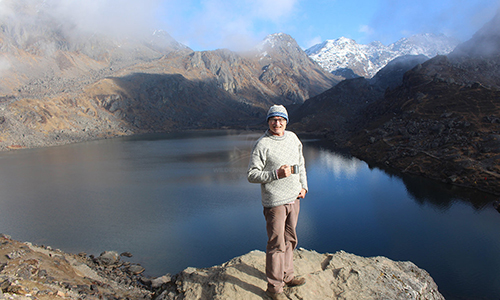
- Gokyo Lakes: Explore the turquoise Gokyo Lake system and hike to Gokyo Ri for magnificent vistas.
- Sherpa Culture: Visit Namche Bazaar, Thame, and Tengboche, witnessing monasteries, local lifestyles, and festivals.
- Varied Terrain: Trek through alpine forests, high valleys, glacial moraines, and rugged mountain passes.
- Acclimatization and Safety: Strategically planned rest and acclimatization days to minimize altitude sickness risks.
- Adventure for Photographers: Stunning landscapes, glaciers, mountain panoramas, and vibrant village life perfect for photography.
Permits Required for the Everest Three Pass to Trek
Trekking in the Everest region requires several permits to ensure safety, environmental protection, and proper tracking of trekkers. For the Everest Three Pass Trek, these permits are mandatory and usually arranged before or at the start of the trek in Kathmandu. They help preserve the fragile Himalayan ecosystem and provide legal access to national parks, high passes, and restricted areas. Guides typically assist trekkers with the permit process, making it hassle-free.
Required Permits for the Everest Three Pass Trek
Best Season for the Everest Three Pass Trek
Choosing the right season is crucial for safety, visibility, and overall enjoyment of the Everest Three Pass Trek. The Himalayas are beautiful year-round, but weather, trail conditions, and mountain views vary significantly with each season. For this trek, spring and autumn are ideal, while summer (monsoon) and winter have limitations.
Spring Trekking (March – May)
Spring is one of the most popular seasons for the Everest Three Pass Trek. During this period:
- The weather is moderate, with warm days and cool nights.
- Rhododendrons bloom along the trails, creating vibrant colors across the valleys.
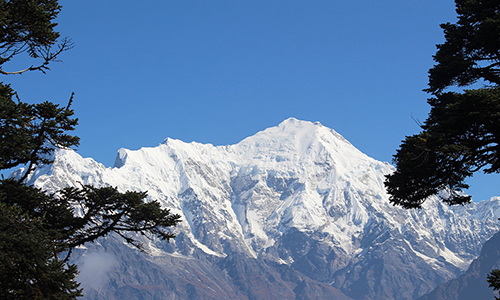
- Mountain visibility is generally clear, allowing stunning photos of Everest, Lhotse, Ama Dablam, and surrounding peaks.
- Snow is mostly limited to high passes, making trekking challenging but manageable.
Spring is perfect for trekkers who want mild temperatures, natural beauty, and a lively Sherpa culture along the route.
Autumn Trekking (September – November)
Autumn is widely considered the best time for Everest treks. During this season:
- Skies are usually clear and stable, offering uninterrupted panoramic views of the Himalayas.
- Temperatures are cool and comfortable, ideal for long trekking days.
- Trails are dry and safe, with minimal risk of landslides or heavy rainfall.
- Cultural activity is at its peak, with villages bustling and monasteries vibrant after the monsoon season.
Autumn is ideal for photographers, nature lovers, and adventurers seeking maximum visibility and adventure safety.
Avoiding Other Seasons
- Monsoon (June – August): Heavy rainfall, slippery trails, cloud cover, and leeches make trekking difficult and unsafe.
- Winter (December – February): Extremely cold temperatures, icy passes, and high snow accumulation on Cho La, Renjo La, and Kongma La. Only suitable for highly experienced mountaineers with proper gear.
Difficulty Level of the Everest Three Pass Trek
The Everest Three Pass Trek is considered a challenging high-altitude trek, designed for adventurous and moderately experienced trekkers. The trail covers three major passes — Cho La (5,420m), Renjo La (5,360m), and Kongma La (5,535m) — along with high-altitude stops like Kala Patthar (5,545m) and Everest Base Camp. Trekkers need good physical fitness to walk 5–7 hours per day over rugged, rocky terrain, steep ascents, and occasional icy patches.
While the trek does not require technical climbing skills, altitude and weather can make sections tough. Proper acclimatization days at Namche Bazaar and Dingboche are included to reduce the risk of altitude sickness. Long days, high passes, and unpredictable mountain conditions mean trekkers should be mentally prepared and physically strong. Those with prior trekking experience at moderate altitude will find this trek more manageable, while beginners should train extensively before attempting this adventure.
Final Thoughts on the Everest Three Pass Trek
The Everest Three Pass Trek is more than just a journey through the Himalayas — it’s an adventure that challenges your limits, rewards you with awe-inspiring views, and immerses you in Sherpa culture. From crossing the three iconic high passes to standing at the foot of Everest Base Camp and watching the sunrise from Kala Patthar, every step is a memory that will last a lifetime.
This trek perfectly blends thrill, culture, and natural beauty, offering panoramic vistas, serene glacial lakes, and encounters with Himalayan villages along the route. Whether you’re an avid trekker, a mountain photographer, or a first-time high-altitude adventurer, this trek promises a rewarding and unforgettable experience.
Don’t wait to chase your Himalayan dream. Book your Everest Three Pass Trek now with Vyas Treks Nepal, and let expert guides, meticulous planning, and authentic Sherpa hospitality make your adventure safe, smooth, and truly extraordinary. Step into the mountains, embrace the challenge, and create stories you’ll tell forever.
Alternative Tours & Packages
- Everest Base Camp Trek
Embark on one of the world’s most iconic treks, journeying through picturesque Sherpa villages, alpine forests, and glaciers, all the way to the legendary Everest Base Camp.
- Everest Heli Trek with Kalapatthar Summit
Combine a scenic trek in the Everest region with an exhilarating helicopter flight from Gorakshep and a landing at Kalapatthar for stunning summit views of Everest.
- Everest Base Camp Hillary Trek
Follow the classic route taken by Sir Edmund Hillary and Tenzing Norgay, with deep cultural immersion, awe-inspiring landscapes, and a rewarding arrival at Everest Base Camp.




James C. Wilson
2025-11-09 15:20:48
The Everest Three Pass Trek was an incredible, high-adrenaline route that delivered the ultimate Himalayan challenge—crossing all three high passes felt like a true mountaineering accomplishment. Our guide’s expertise in navigating the complex terrain and icefall approaches was absolutely crucial for our safety and success. The panoramic views from every single pass and Gokyo Ri made this long, demanding trek the most rewarding trip of my life.