Everest Base Camp Luxury Adventure with Heli Return – 9 Days of Unmatched Himalayan Grandeur
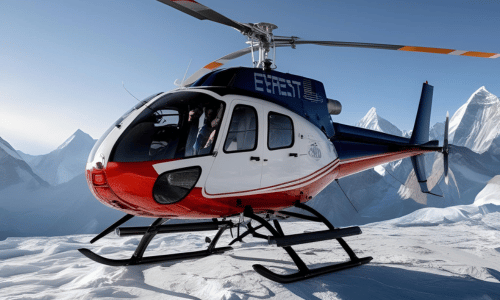
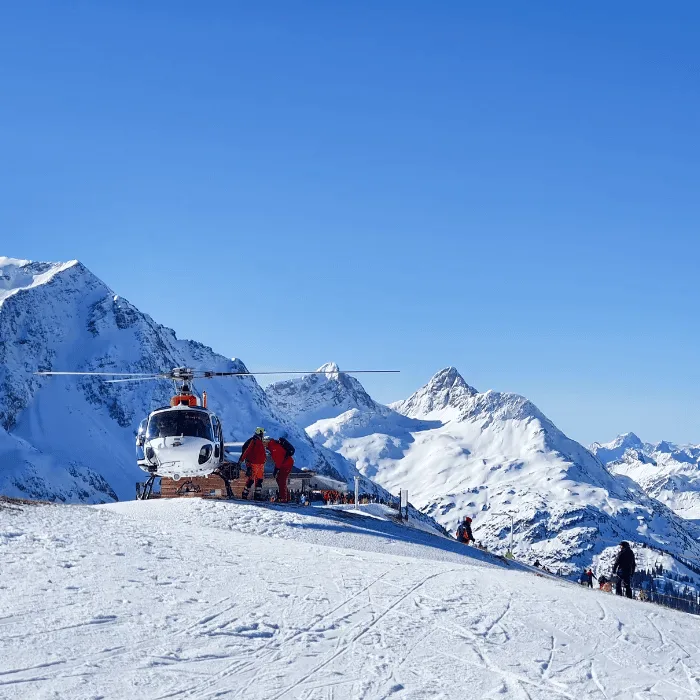
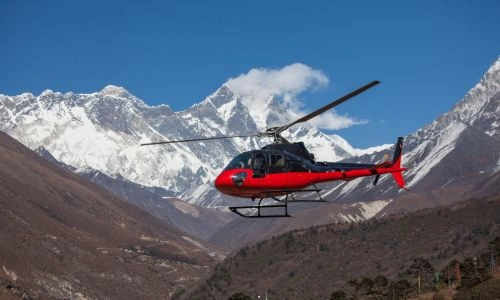
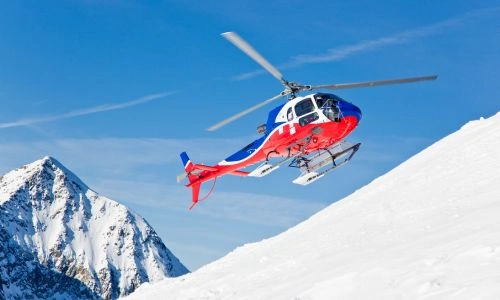
Dreaming of standing in the shadow of the world’s tallest peak without sacrificing comfort? Our 9-day Everest Base Camp Luxury Adventure with Heli Return combines the thrill of high-altitude trekking with the indulgence of premium lodges and a breathtaking helicopter descent. This isn’t just a trek—it’s a once-in-a-lifetime journey through Nepal’s Khumbu Valley, where snow-capped giants like Ama Dablam and Lhotse frame your path to Everest’s legendary base camp. Skip the grueling return hike; instead, soar back to Kathmandu by helicopter, savoring aerial views of the Himalayas that few ever witness. Whether you’re a seasoned trekker or a luxury traveler seeking adventure without compromise, this 9-day Everest experience redefines Himalayan exploration.
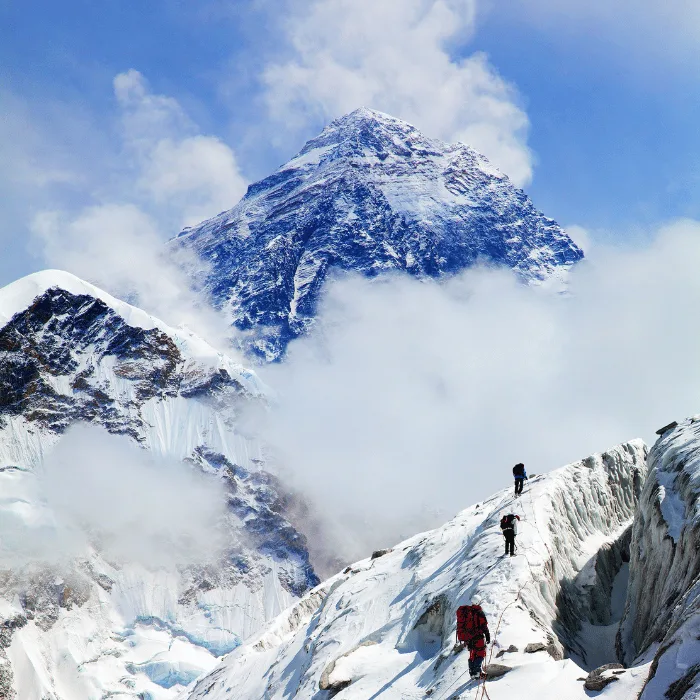
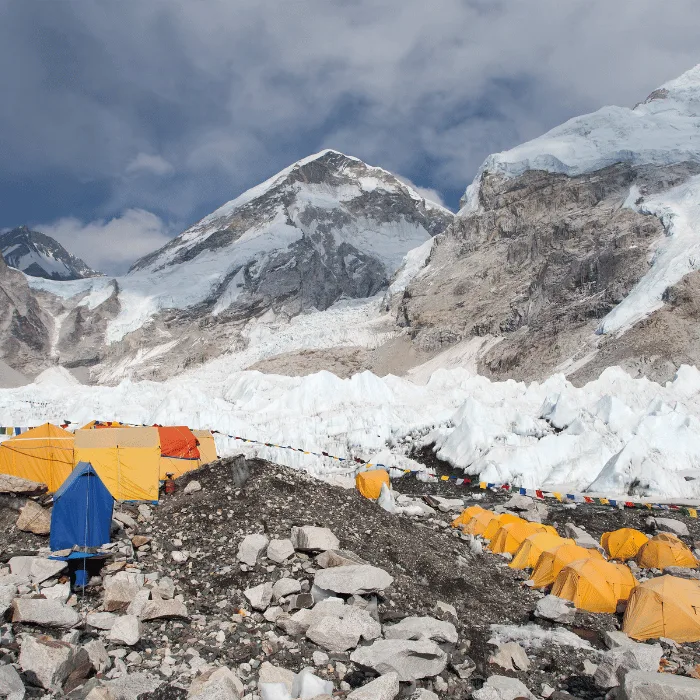
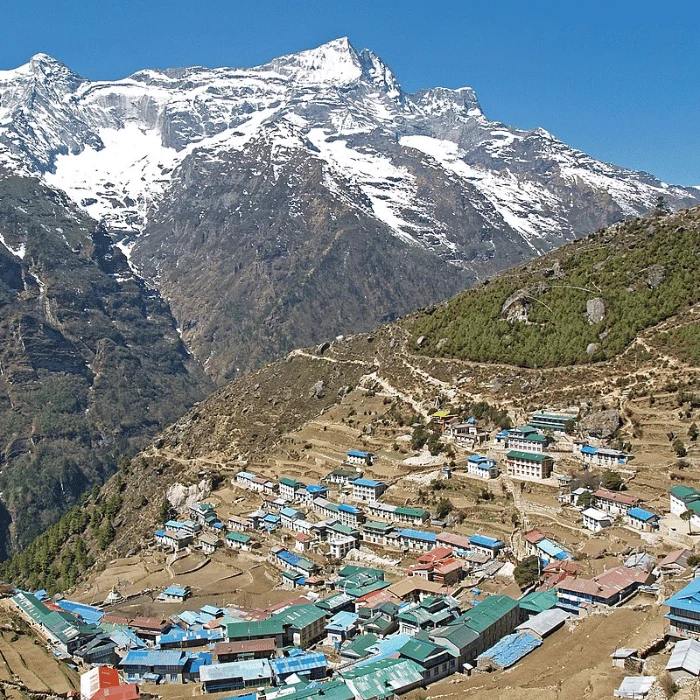
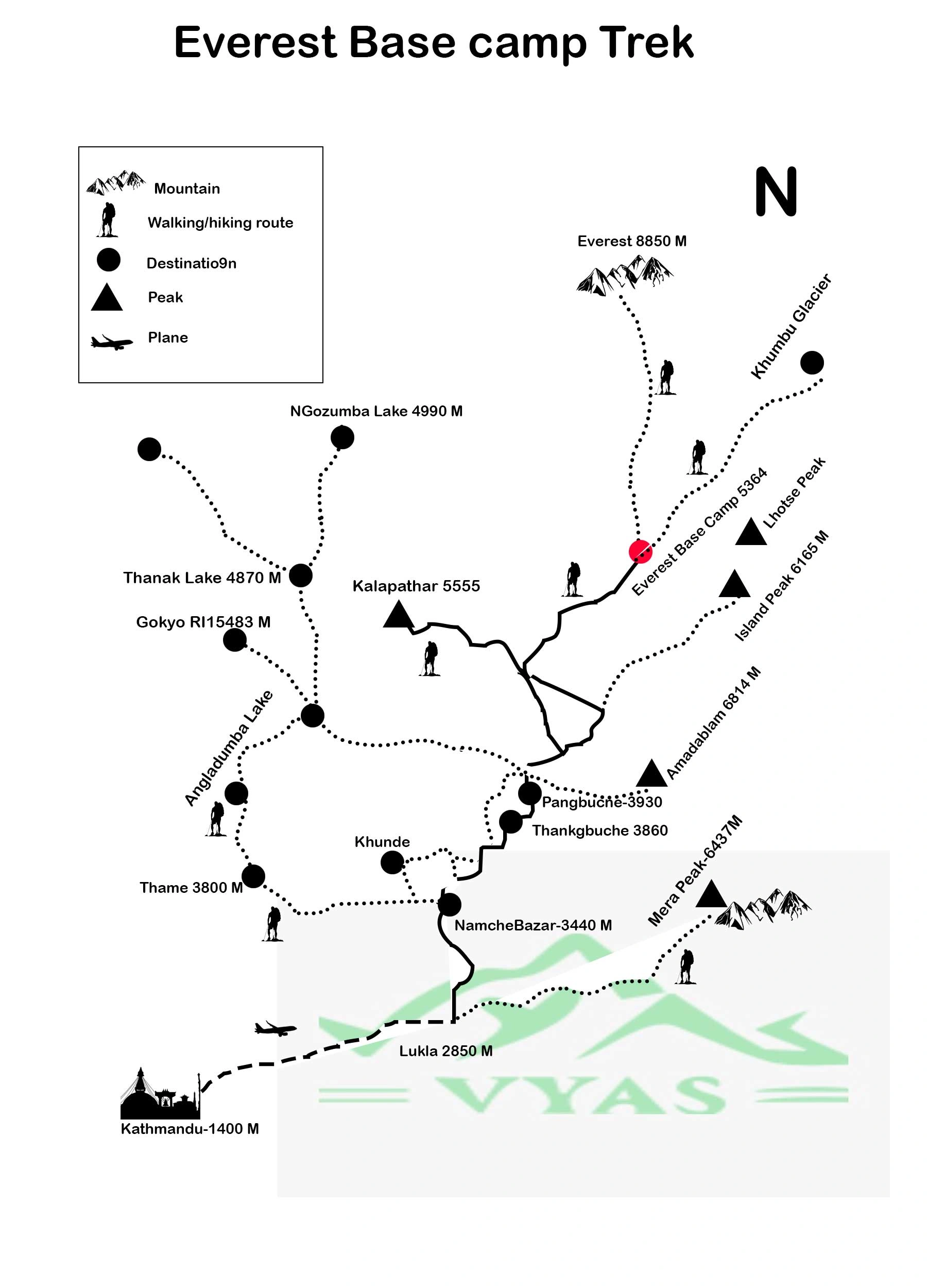
Trekking to Everest Base Camp on this exclusive 9-day luxury adventure is nothing short of magical. You’ll journey through a tapestry of stunning Himalayan landscapes — from lush rhododendron forests and terraced mountain valleys to rugged, rocky trails that challenge and inspire. The route takes you through iconic Sherpa hubs like Lukla and Namche Bazaar, where vibrant local culture and warm hospitality meet breathtaking views of snow-dusted peaks. As you ascend, the air thins and the scenery grows more dramatic, with panoramic vistas of Everest’s mighty summit at 8,848 meters towering above alongside legendary peaks such as Lhotse, Nuptse, and Ama Dablam. The trekking terrain varies from gentle river valleys to steep climbs, testing your stamina but rewarding you with moments of pure awe. Reaching Everest Base Camp (5,364 m) offers a profound sense of achievement and connection to the world’s highest peak. The journey is perfectly balanced by the luxury of a helicopter return, which spares you the long and tiring descent, allowing you to relish the climb and the unique Himalayan culture along the way. This carefully crafted adventure combines the thrill of high-altitude trekking with comfort and convenience, making it ideal for travelers who want an unforgettable yet accessible Everest experience.
Nature’s Grand Theater: The Ever-Changing Ecosystems of Your Everest Luxury Trek
Everest Base Camp Luxury Adventure with Heli Return unveils nature’s grand theater, where every step reveals the Himalayas’ remarkable adaptability and breathtaking biodiversity. This journey allows you to experience living landscapes up close, highlighting what makes each ecological zone unique while sharing insider insights not found in guidebooks.
The Lower Khumbu: A Verdant Welcome (2,800–3,500m)
Your adventure begins in a fairy-tale forest. From late March to May, rhododendron blooms transform the trail into a tunnel of fire-red and soft pink – Nepal’s natural confetti celebrating your trek. These woods are alive with movement: listen for Himalayan pikas scratching in the underbrush and the distinctive Quick-Quick of the cheer pheasant. Local guides sometimes mention the “ghost of the forest” – the Himalayan black bear that occasionally wanders here, though they’re shy vegetarians at these altitudes.
The Middle Heights: Where Forests Give Way to Wisdom (3,500–4,000m)
Approaching Namche Bazaar, trees begin shrinking – nature’s way of adapting to altitude. Silver fir and blue pine grow slower than their lowland counterparts, some taking centuries to reach just 30 feet. This is ideal terrain to spot Himalayan tahr, the sure-footed cliff-dwellers with majestic curved horns. Their hooves have rubbery cores acting like natural climbing shoes, perfectly adapted to steep terrain.
The Alpine Zone: Life on the Edge (4,000–5,000m)
Above the tree line, life adapts in extraordinary ways. Cushion plants at Dingboche grow in dense mounds to conserve heat and moisture. Woolly yaks grazing here are specially adapted to high-altitude living, while delicate-looking edelweiss are hardy survivors, with fuzzy leaves acting as natural antifreeze.
The Summit Approach: Earth’s Most Extreme Garden (5,000m+)
Near Gorak Shep, life exists in whispers. Black-spotted lichens on rocks are among Earth’s oldest organisms, growing just 1mm per year. Watch the skies for lammergeiers (bearded vultures), which dye their white feathers rust-colored by bathing in iron-rich mountain springs, a spectacular high-altitude sight.
Your Helicopter Descent: A Living Topographic Map
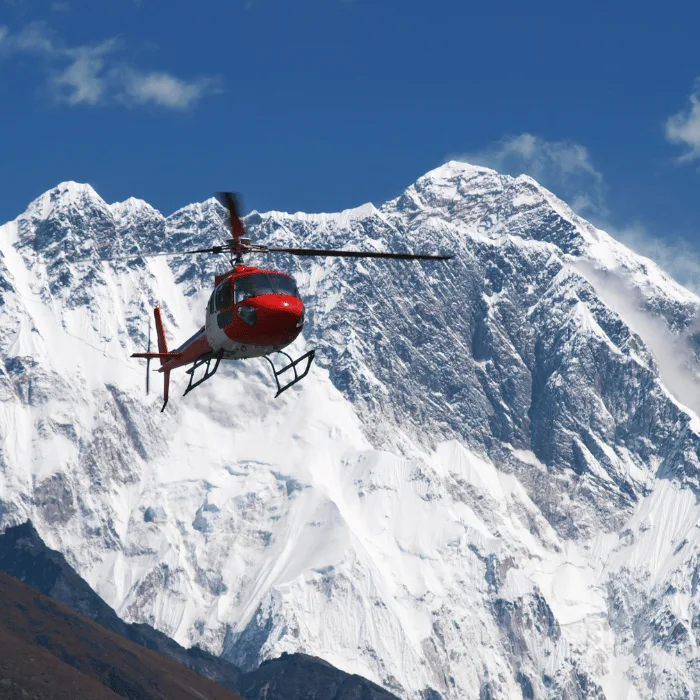
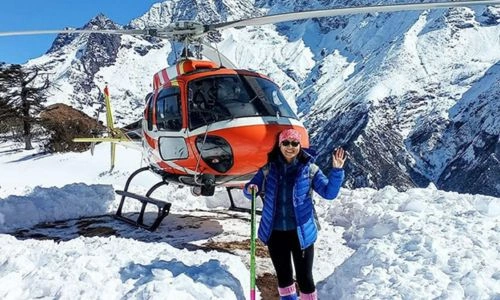
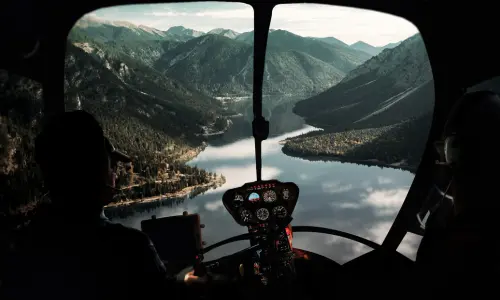
As your helicopter returns to Lukla, you witness nine months of ecological transitions in just 45 minutes – from stark glaciers to patchwork farm terraces where Sherpa families grow altitude-resistant buckwheat and potatoes. This descent perfectly concludes your nature immersion, revealing the Himalayas’ diversity in a single, unforgettable journey.
Your Everest Base Camp Luxury Trek Route : A Himalayan Journey That Feels Like Coming Home
Let me tell you about the trail that changed how we see mountains forever. This isn't just some cookie-cutter itinerary - it's a living, breathing journey that unfolds differently for every traveler. We remember my first time on this route, how the Himalayas slowly revealed their secrets like a flower opening at dawn.
That Heart-Stopping Lukla Flight
You'll laugh when you see your fellow passengers' white-knuckled grip during the Lukla flight - until you realize your own hands are doing the same! The pilot's casual skill as he threads between peaks always amazes me. Touching down in Lukla feels like arriving in another world, where the air already smells different - woodsmoke, pine, and something crisp you can't quite name.
The Phakding Warm-Up
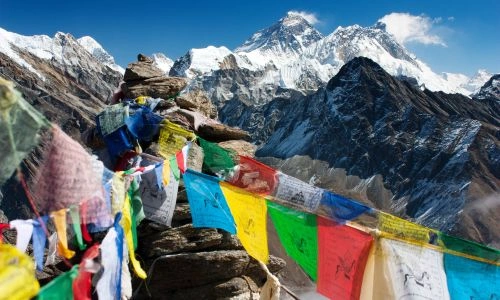
That first walk to Phakding? It's the Himalayas' gentle welcome. You'll cross bridges that sing with prayer flags, their colors so bright against the grey rocks. Watch how the local porters dance across these swaying spans with impossible loads - I still haven't figured out how they make it look so easy.
Namche's Magic Trick
Here's something they don't tell you about Namche Bazaar: that final uphill stretch feels endless until suddenly - boom - Everest appears like a magician's reveal. I've seen grown adults tear up at that first proper view. The town itself buzzes with energy; yak bells mingling with cafe music. That first hot shower at the luxury lodge? Absolute bliss.
Tengboche's Soul-Stirring Moment
There's a particular bend in the trail before Tengboche where the entire Himalayan range spreads out before you. I always pause here, no matter how many times I've walked it. The monastery's chanting at dusk is hauntingly beautiful - the deep horns seem to vibrate in your chest.
Dingboche's Altitude Reality Check
This is where the mountain reminds you who's boss. The air feels thinner, the nights colder. But those potato fields! Farmers growing crops at heights where most plants refuse to grow. Their resilience mirrors what you're discovering in yourself.
The Surreal Final Act
Nothing prepares you for the otherworldly beauty of the Khumbu Glacier. The crunch of ice underfoot, the way sunlight plays on the seracs - it feels like walking through a dream. And Kala Patthar at sunrise? No photo does it justice. That helicopter ride back is bittersweet; part relief, part longing to stay forever.
Everest Base Camp Luxury Trek at a Glance
Top Highlights of Your Everest Base Camp Luxury Adventure with Heli Return
Here’s why this trek isn’t just another item on your bucket list—it’s the ultimate Himalayan experience, crafted for those who want raw adventure without roughing it:
Unbeatable Everest Access
- Stand at Everest Base Camp (5,364m), walking the same ground as legendary climbers, surrounded by the Khumbu Icefall’s towering seracs
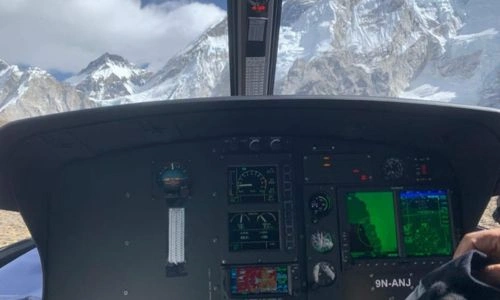
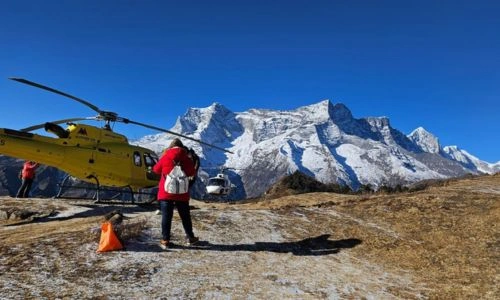
- Helicopter return from Gorak Shep—skip the descent trek and soak in aerial views of Everest, Lhotse, and Ama Dablam most trekkers never see
Luxury Where It Counts
- Stay in premium lodges with hot showers, cozy beds, and mountain-view dining rooms—no freezing in basic teahouses
- Gourmet meals featuring both local Sherpa dishes (try the thukpa noodle soup!) and international comfort food
Iconic Himalayan Moments
- Sunrise at Kala Patthar (5,545m)—watch the first light turn Everest from charcoal to blazing gold (bring extra camera batteries!)
- Explore Tengboche Monastery (3,860m), where the rhythmic chants of Buddhist monks echo against the peaks
Smart, Scenic Trekking
- Acclimatize in style with guided walks to hidden viewpoints near Namche Bazaar (3,440m), not just boring rest days
- Cross Hillary Suspension Bridges draped in prayer flags—thrilling heights with epic photo backdrops
Wildlife & Wild Landscapes
- Spot Himalayan tahr grazing near Dingboche (4,410m) and lammergeier vultures circling Gorak Shep’s cliffs
- Walk through rhododendron forests (spring only!) and past glacial moraines that look like frozen tidal waves
Stress-Free Logistics
- Domestic flights included (Kathmandu-Lukla)—we handle the famously tricky permits and luggage limits
- Expert local guides who’ll share stories of Sherpa culture and point out hidden trail gems
Best Seasons & Trekking Conditions Guide — Everest Base Camp Luxury Adventure with Heli Return
Alright, let’s get real about when to hit Everest Base Camp, especially if you’re going all-in with that luxury trek and heli ride. The Himalayas don’t play the same every season, and knowing the right time can save you a whole lot of hassle — and help you soak in those epic views without sweating the small stuff. So here’s the lowdown, no fluff.
Spring (March to May)
Spring is like the Himalayas waking up from a long nap. The rhododendrons explode in pink and red everywhere, making the trails look like something out of a dream. The weather’s just right — cool but not freezing, and the skies usually stay clear enough to see Everest’s massive peak glowing in the morning sun. It’s busy, yeah, but for good reason. Everyone wants that perfect mix of mild temps, blooming forests, and killer views. Just brace for some crowds and get ready to vibe with fellow trekkers.
Summer/Monsoon (June to August)
Monsoon season is not for the faint-hearted, but if you don’t mind some rain showers and the chance of clouds hiding the mountains, it’s a wild ride. The whole place turns crazy green, rivers swell, and waterfalls go full force. Trails get slippery — so pack those good boots. Helicopter rides can get pushed back if the weather’s moody, so keep your plans flexible. The upside? Way fewer people on the trail, so if you want some peace and quiet, this is it.
Autumn (September to November)
Autumn’s when Everest looks its absolute best — like, jaw-dropping, pin-sharp views with blue skies that seem endless. The weather’s stable, not too hot or cold, and trails are dry and welcoming. It’s the peak season, so yeah, everyone and their dog wants in. Book your spot early or risk missing out. Plus, you get to soak up some cool Sherpa festivals along the way, which is a nice cultural bonus.
Winter (December to February)
Winter is for the hardcore or the ones craving solitude. The cold bites, especially at night, but the sky is usually crystal clear — perfect for those iconic Everest shots with snow everywhere. The trail’s quieter, but heads-up: some lodges might shut down for the season, and you’ll need to layer up hard to stay warm. Flights usually run okay, but strong winds or snowstorms can throw a wrench in your plans.
Luxury on the Trail: Your Everest Base Camp Comfort & Cuisine Guide
Let’s be honest – trekking to Everest Base Camp doesn’t mean you have to rough it. On this luxury adventure, you’ll enjoy Himalayan hospitality that would make even the Yeti jealous. Here’s exactly what your taste buds and tired muscles can expect:
Your Mountain Sanctuaries: Luxury Lodges That Defy Altitude
Forget drafty teahouses – these are the Himalayan equivalents of boutique hotels:
- At Namche Bazaar (3,440m): Wake up to Everest views from your private balcony at the Yeti Mountain Home, where heated rooms, en-suite bathrooms, and thick down duvets make you forget you’re in the mountains. Pro tip: Their showers have better pressure than most Kathmandu hotels!
- In Tengboche (3,860m): The Rivendell Lodge blends Sherpa architecture with modern comforts – think hand-carved wooden interiors, electric blankets, and a cozy library with mountain memoirs.
- Dingboche (4,410m): At The Himalayan Hotel, oxygen-enriched rooms help you acclimatize comfortably, while heated common areas with panoramic windows let you relax and enjoy the stunning Himalayan views.
- Final Night at Gorak Shep (5,164m): Even at this extreme altitude, your luxury lodge provides insulated sleeping pods with battery-powered heaters – a far cry from the basic dormitories most trekkers endure.
Dining at the Top of the World: From Dal Bhat to Decadence
This isn’t just fuel – it’s high-altitude fine dining:
Breakfast Like a Champion
- Freshly brewed Nepali coffee or Himalayan black tea
- Fluffy apple pancakes with local honey
- Omelet stations with yak cheese (richer than cow’s milk!)
Lunch on the Trail
- Picnic spreads with charcuterie, quinoa salads, and thermoses of hot soup
- Energy-boosting snacks: Trail mix with dried seabuckthorn berries (packed with vitamin C)
Dinner with a View
- Sherpa specialties: Try shyakpa (hearty vegetable stew) or momo dumplings stuffed with local greens
- International Comfort Food: Enjoy wood-fired pizzas and pasta drizzled with truffle oil – yes, even at 4,000 meters!
- Sweet Finales: Warm chocolate brownies or sel roti (Nepali cinnamon doughnuts)
Hydration Heroes
- Unlimited filtered/purified water (no plastic bottles!)
- Herbal teas made with local kurilo (Himalayan asparagus) for altitude acclimatization
- Evening nightcaps: Hot toddies with Nepali raksi (local spirit) or premium hot chocolate
Luxury Touches You Won’t Find on Standard Treks
- Daily hot towel service at lodges to freshen up post-trek
- Private dining areas away from the main teahouse crowds
- Chef consultations to accommodate dietary needs (gluten-free? Vegan? No problem)
- Battery charging stations with universal ports (no fighting for outlets!)
- Complimentary altitude wellness checks with pulse oximeters
Hygiene You Can Trust
- Private En-Suite Bathrooms: Every lodge features en-suite bathrooms stocked with eco-friendly toiletries for a clean and sustainable stay.
- Safe Drinking Water: UV Water Purifiers in all Lodges ensure you enjoy pure water with zero “trekkers’ tummy” worries.
- Daily room sanitization: High-Touch areas are thoroughly cleaned every day to maintain maximum hygiene.
- Packed Lunch Safety: All meals are prepared following strict “clean kitchen” protocols to guarantee freshness and safety.
The Essential Permit Guide for Your Everest Luxury Trek
Let’s cut through the confusion – yes, you need permits for Everest, but getting them is easier than you think (especially since we handle most of it for you!). Here’s the local insider’s breakdown of every document you’ll need, why it matters, and how to avoid common pitfalls:
1. Sagarmatha National Park Permit (Your Golden Ticket)
- What it does: Funds conservation in the Everest region (those trails don’t maintain themselves!)
Where to get it:
- Kathmandu: Tourism Board Office near Bhrikuti Mandap (we’ll arrange this for you pre-trek)
- Alternative: National Park checkpoint at Monjo (but why risk last-minute delays?)
- Cost: NPR 3,000 (~$25) per person
(Pro Tip: Keep this separate from your passport – rangers check it multiple times en route)
2. Khumbu Pasang Lhamu Rural Municipality Permit
- Why it exists: Replaced the old TIMS card specifically for Everest region trekkers
Where to get it:
- Lukla (our team handles this while you sip coffee after landing)
- Monjo checkpoint if missed in Lukla
- Cost: NPR 2,000 (~$16) per person
- Key Detail: Requires guide’s license copy – another reason solo trekking isn’t allowed here
3. Local Area Permit (For Helicopter Operations)
- Unique to your luxury trek: Covers your chopper descent from Gorak Shep
- Arranged by: Your tour operator (included in package)
- Why it matters: Prevents issues with Nepal’s strict aviation rules for mountain flights
Critical Regulations to Know (Avoid These Mistakes!)
- No Solo Trekking: Everest region requires a licensed guide – no exceptions since 2023
- Original Documents Only: Photocopies of passports/permits won’t fly at checkpoints
- Restricted Areas: Your permit doesn’t cover climbing above Base Camp – that’s a $10,000+ expedition permit!
- Cash Rules: Credit cards fail in the mountains – bring extra NPR for permit checkpoints
The Truth About Fitness for Your Everest Luxury Trek
Let’s be real – this isn’t a walk in the park, but it’s also not the superhuman challenge many imagine. I’ve seen everyone from fit 60-year-olds to first-time trekkers (with smart preparation) thrive on this route. Here’s exactly what your body needs to handle – and how our luxury approach makes it more achievable.
Daily Realities: What Your Body Will Actually Do
- Distance: 5-8 miles/day (8-12km) – about 5-7 hours of walking at "Nepali flat" pace (translation: lots of ups and downs!)
- Terrain: Stone staircases that feel endless, occasional boulder-hopping near Gorak Shep, and those famous swaying suspension bridges (don’t worry – they’re sturdier than they look)
- Pack Weight: Just daypack essentials (water, layers, camera) – porters carry the rest (luxury perk #1!)
(Pro Tip: The trail itself isn’t technical – no climbing skills needed. It’s the combination of altitude + duration that wears you down.)
Altitude: The Silent Game-Changer
- Base Camp sits at 5,364m – that’s 50% less oxygen than sea level
How we combat this:
- Luxury Acclimatization: Enjoy an extra day at Namche with guided short hikes, ensuring proper acclimatization instead of just resting.
- Heli Return Advantage: Skip the strenuous descent trek where most injuries occur, traveling safely and comfortably by helicopter.
- Oxygen Monitoring: Lodges are equipped with oxygen monitors to track your adaptation and ensure your well-being.
- Altitude Safety Alerts: Mild headaches or nausea are normal; confusion or vomiting signals the need to descend, with emergency protocols ready at all times.
Fitness Prep: Your 8-Week Game Plan
Cardio is King:
- Minimum: 45-minute hilly walks 3x/week (treadmill on incline works)
- Ideal: Weekend 4-6 hour hikes with 10-15lb pack (simulates trek days)
Strength Matters:
- Stairmaster Running (those downhill steps murder quads!)
- Calf raises & step-ups prevent "Namche knee" (trust me, you’ll thank me later)
- Mindset Hack: Practice walking slowly – Sherpa pace wins races at altitude!
Who Should Think Twice?
- Reconsider if: You struggle with multi-hour walks at home or have untreated heart/lung conditions
- Manageable if: You’re moderately active but commit to training (we’ve had success stories with prepared beginners!)
Pressed for time but don’t want to miss the magic? The Everest Helicopter Landing Tour with Breakfast gives you front-row seats to the Himalayas, complete with a stunning mountain touchdown and a once-in-a-lifetime breakfast above the clouds.
Alternative Tours & Packages for Mardi Himal Helicopter Tour
- Mount Everest Base Camp Helicopter Tour – Exclusive Landing
A deluxe heli journey offering close-up views of Mount Everest with a guaranteed landing near Base Camp — perfect for those seeking the thrill without the trek.
- Premium Everest Base Camp Trek & Scenic Mountain Flight
Experience the Everest trail with upscale accommodation and return via a breathtaking mountain flight, combining adventure and comfort in one seamless package.
- Everest View Tour by Helicopter – 6 Days
A well-paced, scenic heli-based tour offering panoramic Himalayan views, cultural stops, and a comfortable itinerary designed for relaxed exploration in the Everest region.
- Everest View Trek – 5-Star Himalayan Experience
A luxury trekking option that blends Sherpa hospitality and boutique lodges with sweeping views of Everest. Ideal for those seeking comfort while enjoying the mountain landscapes.


Anna Svensson
2025-06-16 15:43:14
The Everest Base Camp Luxury Adventure exceeded all my expectations. The quality of accommodations, meals, and guides was top-notch. Returning by helicopter saved us time and added an unforgettable thrill. Thanks to Vyas Trek Nepal for flawless organization and care throughout!